Sparkling Smiles: Tips and Tricks to Safeguard Your Child’s Dental Health

As parents, one of our top priorities is ensuring the well-being of our children. A crucial aspect of their overall health is their dental hygiene. Establishing good oral habits from an early age not only prevents cavities and gum issues but also sets the stage for a lifetime of healthy smiles. In this blog post, we’ll explore five essential tips and tricks to keep your kids’ teeth safe and their grins radiant.

Building Foundations for a Lifetime of Oral Health

The journey to healthy teeth begins before the first tooth even makes its appearance. Parents can start caring for their baby’s gums by gently wiping them with a clean, damp cloth after each feeding. This not only keeps their mouths clean but also introduces them to the concept of oral care. As those first tiny teeth begin to emerge, transition to a soft-bristled toothbrush designed for infants. This early introduction sets the foundation for a lifetime of good dental habits.

The Right Brushing Techniques To Engage Them

Once your child has a few teeth, it’s time to introduce a toothbrush and toothpaste. Opt for a toothbrush with soft bristles and a small head to fit comfortably in their mouth. Make this daily routine exciting by letting your child choose a toothbrush in their favorite color or featuring their beloved cartoon character.

When it comes to toothpaste, use a small amount of fluoride toothpaste as soon as your child is able to spit, usually around the age of 2 or 3. Fluoride is crucial for strengthening enamel and preventing cavities. Teach your child the importance of brushing for at least two minutes, covering all surfaces of their teeth. Make it a fun activity by playing their favorite song or using a colorful timer to keep them engaged.

Healthy Eating, Healthy Teeth: The Role of Nutrition

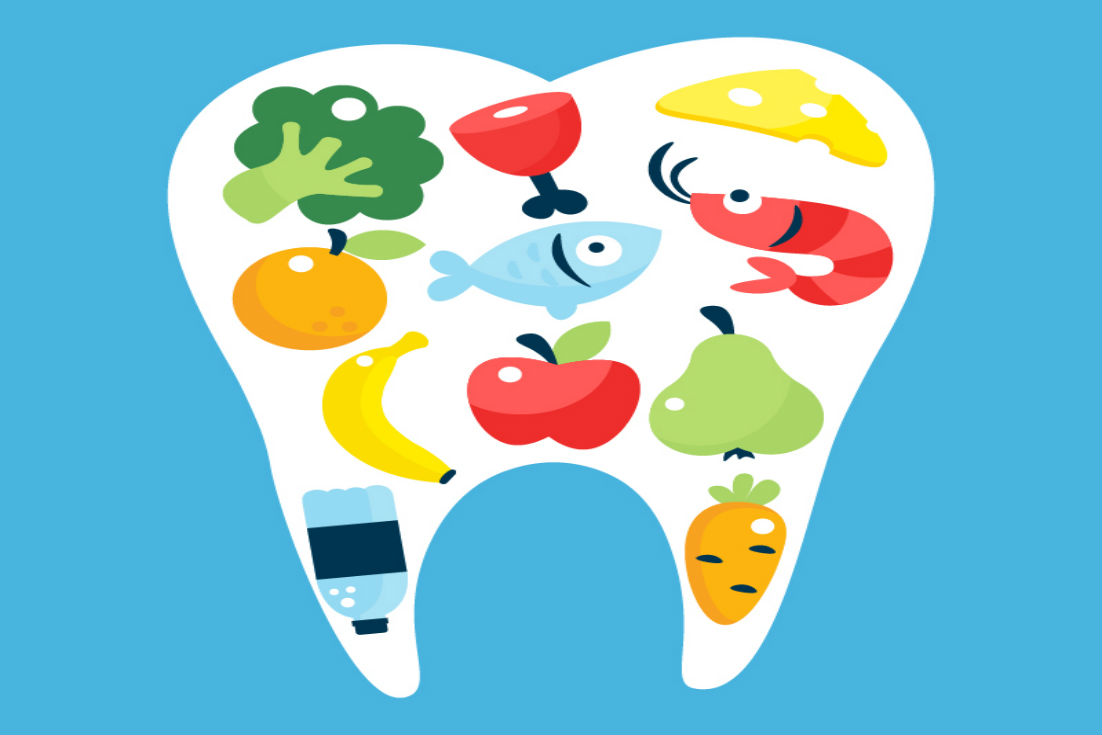
A balanced diet is not only essential for your child’s overall health but also contributes significantly to their dental well-being. Incorporate a variety of fruits, vegetables, whole grains, and dairy products into their meals. These foods provide essential nutrients for strong teeth and gums. Limit sugary snacks and beverages, especially between meals, as excessive sugar intake can lead to tooth decay. Encourage water as the primary drink, and explain to your child how making healthy food choices contributes to their bright smiles.

Turning Oral Care into a Fun Learning Experience

Educate your child about the importance of oral hygiene in a way that’s relatable and engaging. Use age-appropriate language and visuals to explain the role of brushing and flossing in keeping their teeth healthy. Consider using colorful books, educational videos, or interactive apps that make learning about oral care enjoyable. By turning dental education into a fun experience, you empower your child to take an active role in their dental health.

Regular Dental Check-ups: Partnerships with Pediatric

Early and regular dental check-ups are crucial for monitoring your child’s dental development and catching potential issues early on. So, schedule your child’s first dental appointment with us at RajaRajeswari Dental College & Hospital and visit around their first birthday or when their first tooth erupts. Pediatric dentists specialize in caring for children’s dental health, ensuring a positive experience during visits. Regular check-ups not only keep your child’s teeth in check but also contribute to establishing a positive association with dental care from a young age.

A Lifetime of Healthy Smiles Starts Now

In conclusion, safeguarding your child’s dental health involves a combination of early initiation, engaging routines, and a proactive approach to nutrition and education. Starting early with gentle gum care, introducing the right tools, emphasizing a balanced diet, scheduling regular dental check-ups, and making oral education fun are key components of a comprehensive strategy.

By incorporating these tips and tricks into your child’s daily routine, you’re not only ensuring their current dental well-being but also laying the groundwork for a lifetime of healthy smiles. Remember, dental care is not just a routine; it’s a valuable investment in your child’s overall health and happiness. So, let’s embark on this journey together, creating habits that will keep those little pearly whites shining bright for years to come. For more such informative blogs on oral hygiene and care visit us at RRDCH.

Smile-Friendly Plate: Unveiling the Connection Between Nutrition, and Oral Health

In the pursuit of overall well-being, we often focus on the benefits of a balanced diet for our body’s health. However, what we consume doesn’t just affect our weight or energy levels; it plays a crucial role in the health of our teeth and gums. In this blog post, we delve into the intricate connection between diet, nutrition, and oral health, exploring how the foods we choose can impact the longevity and vitality of our smiles.

Understand How Nutrition Nurtures Oral Health

We all have heard gurgling after meals or brushing at night; but do you know even nutrition affects your oral health? See how nutrition helps in nurturing oral health.

Essential Nutrients for Strong Teeth and Gums

A diet rich in essential nutrients is the cornerstone of maintaining optimal oral health. Calcium, phosphorus, and vitamin D are particularly vital for the development and maintenance of strong teeth and gums. Other excellent sources of these nutrients are dairy products, leafy greens, and fatty fish. Thus, including these in our diet ensures that our teeth have the necessary building blocks for strength and resilience.

The Role of Vitamins and Minerals

Vitamins and minerals, such as vitamin C, vitamin A, and magnesium, contribute to the health of our gums and the overall immune system. Vitamin C, found in citrus fruits and vegetables, promotes gum health by supporting collagen production. Meanwhile, vitamin A, abundant in carrots and sweet potatoes, aids in the maintenance of mucous membranes and promotes a healthy mouth environment.

Hydration and Saliva Production

Staying hydrated is not only essential for general health but also plays a crucial role in oral health. Water helps to rinse away food particles and bacteria, reducing the risk of cavities and promoting a moist environment for healthy gums. Additionally, a well-hydrated body is more capable of producing saliva, our natural defence against acid erosion and tooth decay.

The Dental Impact of Dietary Choices

We have told you how nutrition impacts oral health but understand that even a few negative dietary choices can impact your teeth and oral hygiene. Know the issues:

Sugar and the Battle Against Tooth Decay

The relationship between sugar and tooth decay is well-established. Sugars, particularly refined sugars and carbohydrates, act as a fuel source for harmful bacteria in the mouth. Such bacteria produce tooth-eroding enamel acids that lead to cavities and decay. Limiting the intake of sugary foods and beverages is a fundamental step in preventing dental issues.

Acidic Foods and Enamel Erosion

While certain foods are directly harmful to the teeth due to sugar content, others pose a threat through their acidity. Acidic foods and beverages, such as citrus fruits, tomatoes, and sodas, can erode tooth enamel over time. Consuming these in moderation and practising good oral hygiene can mitigate the risk of enamel erosion.

The Protective Power of Crunchy Fruits and Vegetables

Crisp and crust fruits and vegetables, such as apples, celery, and carrots act as natural brushes. Their fibrous texture helps to stimulate saliva production and scrub away plaque and debris from the teeth. Including these foods in our diet not only contributes to overall health but also aids in maintaining a cleaner and healthier mouth.

Strategies for a Smile-Friendly Diet

Diet and its impacts have a significant role in oral health and we have established it in the previous sections. Here are a few strategies to enhance your diet.

Balancing Act On Incorporating a Variety of Foods

A well-balanced diet is key to supporting oral health. By including a variety of foods from different food groups, we ensure that our bodies receive the diverse array of nutrients needed for optimal functioning. This diversity extends to our oral health, promoting strong teeth, healthy gums, and overall resilience against dental issues.

Smart Snacking Habits

Snacking can be a dental double-edged sword. Choosing nutrient-rich snacks, such as yoghurt, cheese, or raw vegetables, can provide essential vitamins and minerals while minimising the risk of dental issues. Conversely, frequent consumption of sugary or acidic snacks can contribute to tooth decay.

Hydration Habits

Making water the beverage of choice is a simple yet powerful step towards better oral health. Water not only hydrates the body but also helps maintain an environment in which our teeth and gums can thrive. Limiting the consumption of sugary and acidic beverages further protects against dental issues.

Educational Initiatives for Smarter Food Choices

Educational initiatives for smarter food choices are a cornerstone of our commitment to community well-being. By imparting knowledge, fostering partnerships, and providing personalised guidance, we aim to empower individuals to take charge of their oral health through the food choices they make. Through these initiatives, we envision a community that not only understands the link between diet and oral health but actively embraces healthier lifestyles for the benefit of themselves and future generations. Together, let’s take a bite into wellness and cultivate a community of smiles that radiate from the inside out.

Community Outreach and Education

As a dental hospital committed to promoting oral health, we recognize the importance of community outreach and education. Hosting workshops, seminars, and online resources that highlight the connection between diet and oral health empowers individuals to make informed choices for themselves and their families.

Collaboration with Nutritionists

Collaborating with nutritionists allows us to provide personalised guidance to patients. Integrating nutritional counselling into our dental care services ensures that individuals receive tailored advice based on their unique needs, promoting a holistic approach to oral health.

Nourishing Smiles, One Bite at a Time

In the grand tapestry of health, the intricate threads of diet, nutrition, and oral health weave together to create a picture of overall well-being. By understanding the impact of our dietary choices on our teeth and gums, we can make informed decisions that not only support oral health but also contribute to a healthier, brighter smile. As a dental hospital we at  RajaRajeswari Dental College & Hospital are committed to the holistic well-being of our community, we invite you to embark on a journey of dental wellness—one delicious and nutritious bite at a time.

A Day in the Life of a Dentist: Navigating Challenges and Smiles

Dentists, the unsung heroes of oral health, embark on a daily journey filled with challenges that go beyond the dental chair. Behind the bright smiles they create, these healthcare professionals navigate a complex landscape of time constraints, patient anxieties, and ever-evolving dental technologies. In this blog post, we delve into the daily challenges that dentists face, shedding light on the demanding yet rewarding nature of their profession and how they walk around with a smile.

The Challenges Of A Dentist

Let’s delve into the challenges that may naturally find their way into a dentist’s daily schedule and explore how these professionals navigate and address them.

Time Management Woes

One of the primary challenges dentists grapple with is the relentless ticking of the clock. A typical day in a dentist’s life is a tightly scheduled affair, with appointments spaced out to maximize efficiency. Balancing the need for thorough examinations, meticulous treatments, and patient education within the constraints of time is a constant struggle. Often, the pressure to adhere to tight schedules can lead to stress and fatigue, impacting both the dentist’s well-being and the quality of patient care.

Patient Anxiety and Communication

Dentists are not just skilled practitioners; they are also adept communicators tasked with alleviating patient anxieties. Dental phobia is a prevalent issue, and the mere thought of a dental visit can induce stress in many individuals. Dentists must navigate these fears with empathy and clear communication, ensuring that patients understand their treatment plans and feel comfortable throughout the process. Establishing trust is a crucial aspect of a dentist’s daily routine, demanding both time and emotional energy.

Technological Advancements

While technological advancements in dentistry have revolutionized treatments, they also pose a challenge for practitioners. Dentists must stay abreast of the latest technologies, continuously updating their skills to provide state-of-the-art care. The integration of digital imaging, laser treatments, and other innovations requires ongoing education and adaptation, adding an extra layer of complexity to their already demanding schedules.

Administrative Responsibilities

Beyond the clinical aspects, dentists shoulder significant administrative responsibilities. Managing patient records, staying compliant with regulations, and handling the day-to-day operations of a dental practice demand organizational skills that extend far beyond dental expertise. Juggling these administrative tasks can be time-consuming, diverting attention from direct patient care and contributing to the overall stress of the profession.

Physical Toll

Dentistry is a physically demanding profession that can take a toll on the practitioner’s well-being. Hunched over patients for extended periods and performing intricate procedures with precision require physical endurance. The risk of musculoskeletal issues, eye strain, and other occupational hazards is a constant concern. Dentists must prioritize self-care and ergonomics to ensure they can sustain a long and healthy career.

Untie The Negatives Coming With Dental Profession

Releasing the negatives that come with the dental profession requires a combination of self-care, effective coping mechanisms, and a proactive approach to managing challenges. Here are some strategies to help dentists navigate and release the negatives associated with their profession:

Self-Care Practices:

  • Regular Breaks: Incorporate short breaks between appointments to stretch, relax, and recharge.
  • Healthy Lifestyle: Prioritize a balanced diet, regular exercise, and sufficient sleep to maintain physical and mental well-being.
  • Hobbies and Interests: Engage in activities outside of dentistry that bring joy and relaxation. Having hobbies can serve as a healthy distraction from work-related stress.

Work-Life Balance:

  • Establish Boundaries: Avoid overcommitting to work and allocate time for relaxation and quality time with family and friends.
  • Delegate Responsibilities: Delegate administrative tasks or seek assistance to lighten your workload, allowing you to focus on clinical aspects without feeling overwhelmed.

 Continuous Learning:

  • Stay Informed: Keep abreast of advancements in dentistry but avoid overwhelming yourself with unnecessary stress. Focus on learning that enhances your skills and benefits your practice.
  • Professional Development: Attend conferences, workshops, or courses that promote professional growth and provide a positive perspective on your career.

Set Realistic Expectations:

  • Manage Expectations: Acknowledge that challenges are inherent in any profession, including dentistry. Set realistic expectations for yourself and understand that it’s okay to seek help when needed.
  • Learn from Setbacks: View challenges as opportunities for growth. Reflect on setbacks, learn from them, and use the experience to enhance your skills and resilience.

Seek Support:

  • Peer Connections: Connect with fellow dentists or healthcare professionals to share experiences, discuss challenges, and gain insights. Peer support can provide a valuable perspective and a sense of camaraderie.
  • Professional Counseling: Consider seeking professional counseling or therapy to address any emotional or psychological challenges. A mental health professional can provide coping strategies tailored to your specific needs.

Conclusion

We at RajaRajeswari Dental College & Hospital believe that a day in the life of a dentist is a multifaceted journey, intertwining clinical expertise, empathetic communication, and administrative acumen. While they face challenges that may seem insurmountable at times, dentists persist, driven by a commitment to enhancing oral health and creating smiles that brighten the world. Understanding the intricacies of their daily struggles sheds light on the resilience and dedication required to thrive in this demanding yet rewarding profession. The next time you sit in the dental chair, take a moment to appreciate the challenges your dentist conquers daily to ensure your oral health and bring joy to your smile. Remember, releasing the negatives associated with the dental profession is an ongoing process. Balancing the challenges with proactive strategies will contribute to a more positive and sustainable professional experience.

Dental Care: Protecting Your Teeth During Diwali Festivities

Diwali, the festival of lights, is a time of joy, family gatherings, and indulgence in delicious sweets and snacks. While celebrating this festive season, it’s easy to get carried away with the delectable treats that are synonymous with Diwali. However, it’s essential to remember that these sugary delights can take a toll on your dental health. In this blog, we will discuss the importance of dental care during Diwali and provide practical tips on protecting your teeth while enjoying the celebrations.

The Impact of Sugary Diwali Treats

Diwali is a time when homes are filled with an array of mouth watering sweets, from laddoos and jalebis to barfis and gulab jamuns. While these treats are a significant part of the celebration, they can wreak havoc on your teeth. The sugar in these sweets provides a feast for harmful bacteria in your mouth, leading to the production of acids that can erode tooth enamel, causing cavities and gum problems.

Practical Dental Care Tips for Diwali

Diwali, the festival of lights, is a time for joy and indulgence. However, it’s crucial to protect your dental health while enjoying the festivities. Here are five practical dental care tips for Diwali:

Moderate Your Sweet Intake: Diwali is synonymous with mouth watering sweets, but excessive sugar consumption can harm your teeth. Enjoy these treats in moderation, and try to limit your snacking to specific times of the day. This minimises the exposure of your teeth to sugar and reduces the risk of tooth decay.

Oral Hygiene is Key: Maintain a strict oral hygiene routine. Brush your teeth twice a day especially with fluoride toothpaste. Don’t forget to brush for at least two minutes, covering tooth surfaces and floss daily to remove food particles stuck between your teeth.

Rinse After Indulging: After consuming sweets, rinse your mouth with water. This simple step helps wash away sugar residues and reduces the acidity in your mouth, mitigating the risk of cavities.

Choose Sugar-Free Alternatives: Opt for sugar-free sweets or snacks when possible. These are less harmful to your teeth. Sticky and chewy sweets, like toffees and caramels, should be consumed with caution as they can cling to your teeth and increase the risk of cavities.

Regular Dental Checkups: Schedule a dental checkup before and after Diwali. This can help detect and address any dental issues early on. Professional cleanings and examinations can go a long way in maintaining your oral health.

By following these practical tips, you can enjoy Diwali’s delicious treats while safeguarding your dental well-being. Remember that it’s not about depriving yourself of sweets but about consuming them sensibly and taking proper care of your dental hygiene.

Its Celebration Time

Diwali is a time for celebration, but it’s crucial to remember that your dental health is just as important as the festivities themselves. By following these practical dental care tips, you can protect your teeth while still enjoying the delectable treats of Diwali. So, this festive season, light up your smile and ensure that your teeth remain healthy and happy. We at RajaRajeswari Dental College & Hospital know that this is that time of the year, when it’s not about avoiding sweets altogether, but about consuming them sensibly and taking proper care of your dental hygiene. Wishing you a happy and tooth-friendly Diwali 2023!

Dental college Survival Tips: Thriving In A Demanding Educational Journey

Dental college is a challenging and demanding educational journey that requires a unique set of skills and strategies to thrive. Aspiring dentists must navigate a rigorous curriculum, hands-on clinical experiences, and high expectations while managing their physical and emotional well-being. This guide offers essential survival tips, from effective time management and study techniques to self-care and stress management, to help dental students not only survive but thrive in their pursuit of a rewarding and fulfilling career in dentistry. By adopting these strategies, students can navigate the complexities of dental education and emerge as confident, skilled, and well-balanced professionals. Here are essential tips to help you succeed in dental college:

Dental College And Stress For Students

Dental college can be an exceptionally stressful experience for students. The demanding nature of dental education, which combines rigorous academic coursework with hands-on clinical training, can take a toll on students’ physical and mental well-being. The pressure to excel in both theoretical and practical aspects of dentistry, along with the responsibility of patient care, can be overwhelming. Students often find themselves grappling with tight schedules, frequent examinations, and the expectation of delivering precise, error-free treatments to patients. This stress can lead to sleep deprivation, anxiety, and burnout.

Additionally, the financial burden of dental education, with high tuition costs and the prospect of significant student loan debt, adds to the stress. The competitive nature of dental colleges and the desire to secure a place in top specialties can further intensify the stress levels. To cope, students should prioritise self-care, seek support from peers, professors, or counselling services, and develop effective time management strategies. Addressing stress is crucial not only for academic success but also for maintaining the mental and emotional well-being of dental students.

Essential Survival Tips

Dental college is a demanding and challenging endeavour, but with the right strategies, you can successfully navigate this journey and excel. Here are five key survival tips:

Effective Time Management

Time management is crucial in dental college to juggle classes, labs, clinical work, and extensive study requirements so:

  • Create a Detailed Schedule: Develop a weekly or monthly schedule that outlines your class times, study hours, and even personal time for relaxation. Stick to this schedule as closely as possible to maintain a structured routine.
  • Prioritise Tasks: Identify your most urgent and important tasks each day. Use techniques like the Eisenhower Matrix (dividing tasks into quadrants based on urgency and importance) to guide your focus.
  • Set Realistic Goals: Break your lessons into manageable sections. This approach makes large projects seem less daunting and helps you track your progress.
  • Minimise Distractions: Find a quiet, organised study space free from distractions like your phone or social media. Consider using time management apps or website blockers to stay focused.

Effective Study Strategies

Studying efficiently is key to mastering the vast amount of information in dental college. Consider the following strategies:

  • Active Learning: Instead of passively reading or listening, engage with the material. Take notes, ask questions, summarise information, and teach concepts to someone else.
  • Study Groups: Form or join study groups to discuss complex topics, clarify doubts, and quiz each other. Explaining concepts to peers can deepen your understanding.
  • Spaced Repetition: Use the spaced repetition technique to review and reinforce knowledge over time. This approach enhances long-term retention of information.
  • Practice with Past Exams: Review past exams and practice questions to familiarise yourself with the format and the types of questions you may encounter in your assessments.

Self-Care and Wellness

Maintaining your well-being is crucial for success in dental college so check and see these tips on how to take care of yourself:

  • Adequate Sleep: Prioritise sleep to ensure you are well-rested and mentally sharp. Lack of sleep can hinder your cognitive abilities and increase stress.
  • Balanced Diet: Eating nutritious meals acts as a fuel for your body and brain. Try to avoid the consumption of excessive caffeine and sugar, as it leads to an energy crash.
  • Regular Exercise: Incorporate physical activity into your routine to boost energy, reduce stress, and improve your overall well-being.
  • Stress Management: Practise stress-reduction techniques such as meditation, deep breathing exercises, or yoga to stay calm and focused.
  • Social Support: Maintain connections with friends and family to provide emotional support and maintain a healthy work-life balance.

Seek Support

dental college can be overwhelming, so don’t hesitate to seek support when needed:

  • Academic Advisors: Consult with faculty or academic advisors to discuss your academic progress, challenges, and get guidance on course selection and study strategies.
  • Study Groups: Join or form study groups to share knowledge, clarify doubts, and provide mutual support during challenging times.
  • Counselling Services: If you face emotional or mental health challenges, consider utilising counselling services provided by your school. It’s essential to address these issues and seek professional help when necessary.

Stay Motivated and Maintain a Work-Life Balance

Maintaining motivation and finding a balance between work and personal life is essential:

  • Setting Clear Goals: Keep your long-term goals in mind. Remind yourself why you chose to pursue dentistry, and let this motivation drive your efforts during challenging times.
  • Coping with Challenges: Understand that failures and setbacks are part of the learning process to use it as an opportunity to learn and grow.
  • Mentorship: Seek advice and mentorship from experienced faculty members or practising dentists. They can provide insights, guidance, and valuable perspectives on your dental career.
  • Work-Life Balance: Avoid overworking and prioritise time for relaxation, hobbies, and personal interests. A healthy work-life balance will prevent burnout and keep you motivated.

In conclusion, dental college is a demanding journey, but with effective time management, study strategies, self-care, a support system, and motivation, you can not only survive but thrive in this challenging environment. These tips by RRDCH will help you maintain your physical and mental well-being while excelling academically, ultimately preparing you for a successful career in dentistry. Remember that perseverance, dedication, and a passion for the field are essential components of your dental college survival kit.

Orthodontics vs Dentofacial Orthopaedics: What Does The Feild Entail

You probably think of braces or teeth straightening when you hear the word “orthodontics.” However, did you know that this branch of dentistry also encompasses dentofacial orthopaedics, which focuses on adjusting the position and size of the jaw and facial bones? It is simpler to discern between the two if you remember that dentofacial orthopaedics focuses on the bones that support the teeth, whereas orthodontics concentrates on straightening your teeth. Learn the truth about this profession’s duties and how important they are to dental health.

Orthodontics vs Dentofacial Orthopaedics

There is a frequent misunderstanding between orthodontics and dentofacial orthopaedics because both of these dental specialities are concerned with correcting dental problems. In general, dentofacial orthopaedics is employed first since it works best during a child’s growth spurts. The youngster can have orthodontic treatment to achieve a sound bite and a beautiful smile after their permanent teeth have grown in.

The distinctions between dentofacial orthopaedics and orthodontics are shown in the following table.

Parameter Orthodontics Dentofacial Orthopaedics
The focus of the treatment Corrects crowded teeth, underbites, gaps between teeth, crooked teeth, and misaligned teeth Control the development of the jaw and facial bones
Goal Create a healthy bite and better smile Guide facial development
Tools used Braces and aligners Maxillary and mandibular or upper and lower jaw respectively expanders or headgear
Best candidate Anyone of any age can receive orthodontic care. If you experience malocclusions (poor bites), such as an underbite, crossbite, or overbite, you may be a good candidate for orthodontic treatment. There is no upper age limit, despite the fact that many patients choose to receive therapy between the ages of 8 and 14. Some orthodontic procedures are explicitly intended for adults. Orthodontic candidates should be in good general health.


Children eight years old and older. Due to the fact that their jaws and facial bones are still developing, children are regarded as the best candidates for dentofacial orthopaedics. Even though it could be more challenging for them, adults can benefit from the treatment. Why? Since the jawbones are fully developed, it is challenging to mould them into the appropriate shape and may even necessitate minor procedures.


End Thought

Dentofacial orthopaedics involves the direction of facial growth and development, primarily throughout childhood, while orthodontics often concentrates on the proper alignment of tooth movement. The most crucial thing to keep in mind is that both dental offices regularly utilise appliances, including the more well-known braces for orthodontics and other specialized appliances like headgear and expanders based on facial deformities.

Dental College in bangalore

Visit us at the RajaRajeshwari Dental College if the field calls to you. This department at RRDC has top-notch amenities, including separate UG and PG clinics with computers connected to a central server. For the first time, the department boasts cutting-edge digital imaging and treatment simulation technology that makes it possible to arrange intricate procedures.

The orthodontic division in Karnataka is the first to purchase Dolphin Imaging Software for diagnosis. Individual computer terminals for P.G. have been created, allowing the department to operate without using paper for patient diagnosis and care. The crew has published widely both nationally and internationally and holds 9 patents, 4 of which have been registered.

Why Eating Right Does Matter – Even To Your Teeth

Well if you have been thinking is eating right is all about weight and heart then read on to find out how eating right is related to your teeth health as well. Nutrition apparently plays a significant role in dental health. People who lack nutritious food get dental health conditions faster than those who indulge in health eating.

good food for teeth

Eating two or three meals a day does not harm much as eating in between meals does. So if you have the urge to snacking try doing it smartly. The frequency of eating in between snacking determines the health of your teeth. So if you are eating frequently in between meals slow down and stick to fruits that do not cause harm like candy, rather go for nutritious foods like fruits and yogurt. If you have the habit of snacking frequently a good idea is to brush your teeth after snacking too. Foods that are good for oral health include the following –

Vitamin C rich foods – Vitamin C is good for gum health and hence intake of citrus fruits like tomatoes, broccoli, peppers, spinach and potatoes is a good idea.

Calcium rich foods – This is not new. We all know the role of calcium rich products like cheese, yogurt, almonds, dark green leafy vegetables are good for bones and teeth.

Phosphorus rich foods – Even phosphorous rich foods are good for teeth and hence foods like potatoes, spinach, tomatoes rich in phosphorous should be included in daily diet.

Well, besides eating healthy, if you maintain a good oral hygiene that includes brushing atleast twice a day, flossing and drinking water at regular intervals you can keep your smile intact for a long time across your life years. So, eat healthy, eat smart and keep smiling your way to happy dental health.

Got A Gummy Smile? Don’t Bother It Could Be Fixed

Usually when we smile normally 2/3rd to 3/4th part is teeth and rest is gums covered by our lips. A person with a gummy smile though will have more of gums to show when smiling. So, if your smile shows up 2-3 mm of gum as a continuous band then it’s a characteristic of gummy smile. As compared to males, gummy smiles of women seem to be very prominent making them conscious as well. There are various reasons one could have a gummy smile. Here are a few-

  1. Strong upper lip muscles

  2. Uneven teeth

  3. Smaller or Shorter teeth

  4. Small upper lips

  5. Increase in vertical face growth

This could lead to gum display that could affect your smile. Though, it is perfectly okay to have a gummy smile, there are people who experience lack of confidence and psychological issues if they have a gummy smile. So, for those people who have a gummy smile and want to repair the same, there is a solution called ‘Lip Positioning Surgery’ available already.

It is a cosmetic surgery which is used for repositioning your lips in a way that they cover the gums and give you the smile you want. The surgery needs to be carried out by a dentist by giving local anaesthesia to the gums. The dentist then cuts the excess gums display and stitches the gums nearer to the teeth. The surgery usually lasts around 40 minutes giving instant results. Though you need to take precautions so that the stitches remain intact till they dry. So, you need to have a diet plan for two to three days after the surgery. The stitches are removes after one week. The procedure is a safe one and the outcome is generally satisfying and enhances your beauty.

*Just know about Rajarajeswari Dental College and Hospital, Bangalore

Headaches Could Be A Result Of An Underlying Dental Problem

None of us can think of visiting a dentist when having a prolonged or recurrent headaches, ain’t it? Obviously, because considering headache to be a result of teeth conditions is far from anyone’s thinking really. One reason is that it is extremely rare and there could be many more reasons for headaches and a dental problem is the least thought off. Here’s a case study where a 45 year old lady was having recurrent headache for a long period of time. She paid many visits to physicians, ENT specialists as well as Neurosurgeons and even underwent many diagnostic tests like EEF, MRI and CT Scans but with no success in diagnosis about the reason. She was then suggested by Neurosurgeons to go for an open surgery of 2 lacs cost. She was already distraught about not known the reason behind the suffering.

Amidst all this chaos her daughter found out through her on research and judgement that it could be a dental condition. She then visited one of the popular dental clinic chains in Bangalore and the doctors immediately diagnosed it as a dental condition. The headache was because the lady was having unevenly aligned teeth in a small jaw. As a result of improper placement and crowding, it was triggering headache.

The doctors then created a treatment plan of action for here which was short, simple and even painless to an extent. After the orthodontic treatment was done, not only did she get rid of her headache but also got her beautiful smile.

This only throws out one question, if only had she not heard to her daughters suggestion and went ahead with the open surgery, the results could have been unimaginable. Additionally, it could have cost her a bomb that too on a surgery that wasn’t needed at all.

Well, this also brings to light the fact around lack of awareness or ignorance of dental problems and issues in the country. Dental health is equally important and ignoring it is not a good idea, and awareness around it can always help.

*Sourced from Internet

RRDCH is one of the Top Dental College and Hospital in Bangalore

Dental Public Health In India – A Concern?

Oral health has been a cause of concern in India. The primary reason is the high level consumption of tobacco and next is unawareness about it particularly in rural areas. Excessive usage of tobacco and added to that lack of oral hygiene amongst Indians more so rural Indians has led to loss of lives due to oral cancers and other life threatening conditions. One example is that of a 42 year old Bareilly resident Mohsin Khan, an embroidery worker who started chewing tobacco on the behest of friends. Recently, he faced issues with concentration while doing embroidery after he returned from a Tobacco Cessation Cell in New Delhi, but it was too late for him as he had been diagnosed with leukoplakia viz. a pre-cancerous lesion. He also mentioned that he wasn’t aware that oral health was so vital and could cause life threatening conditions like Cancer. He also mentioned that he used to clean his teeth using Neem Sticks and Coal Ash.

Dental Public Health In India

As per government statistics over 70% of the school children have cavities and over 90% of the adult population in India does get affected by periodontal condition. Even National Oral Health Policy draft of 2018 does mention that oral diseases in India are rampant and repetitive as well making it a silent epidemic of sorts.

Oral issues within Indian children and adults in India include problems like cavities, periodontal conditions, oro-facial anomalies, temporo-mandibular joint disorders, loss of teeth, dental fluorosis, dental trauma as well as oral cancers as per Consultant Dentist of Columbia Asia Hospital.

Rural Areas it gets worse because there is lack of infrastructure there. Scarcity of dental health professionals in public hospitals is also and added issue. Well, this makes it difficult for the common man as he/ she have to shell out the expenses for oral treatment from their own pockets. As a result the common man opts out of treatment and goes for extraction, which is a cheaper way out.

Well, addictions like alcohol and tobacco do play a vital role in oral health. Additionally people in India ignore dental health issues big time. There has been proven research that managing dental health properly can help prevent many health conditions and even reduces the risk of diabetes, preterm labor and even heart attack as per Praveshh Gaur, Founder, Director of Srauta Wellness Center.

*Sourced from Internet

Just know about Rajarajeswari Dental College and Hospital, Bangalore