Quackery In Dentistry

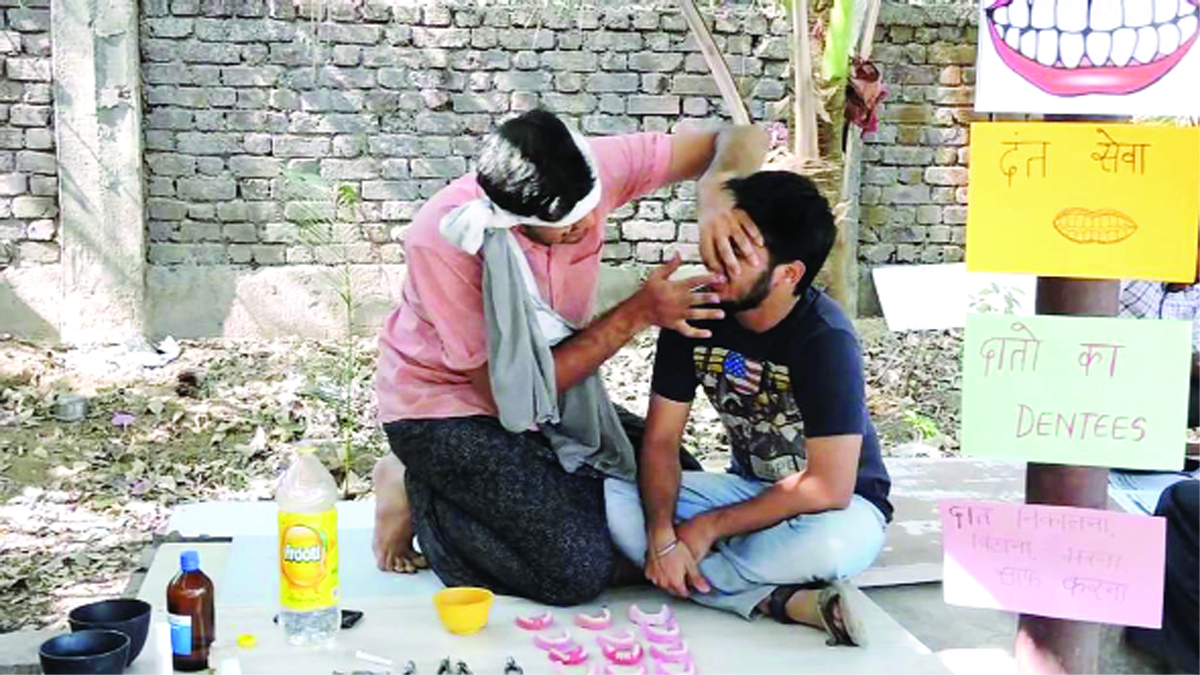
Quackery has been in practice in the dental ecosystem for a long time now. A simple reason behind the same being the demand is more than supply, viz. there is a scarcity of qualified dental professionals. The domino effect, gullible people falling to the dupes of quacks, who provide dental treatment apparently backfires.

In India particularly people residing in remote areas, are deprived of affordable oral healthcare services. Quackery, for those who aren’t aware of the term means ‘fraudulent misrepresentation of one’s ability and experience in the treatment and diagnosis of a disease or the effects of the treatment that is provided’.

Even the high court has mentioned a quack as ‘a person who does not have knowledge of a particular system of medicine but practices in that system is a quack and a mere pretender of medical knowledge or skill’.
Quackery

If we go by the statistics, approximately 3000 quacks are already practicing dentistry across India on an illegal basis. Well, there is this huge difference in the allocation of dentists in public and private sector. Again wherever there is some basic oral healthcare facility available the infrastructure is really poor with limited workforce and resources.

Malpractices that the quacks carry out in dentistry include life threatening risks like using the same needle on multiple patients, not using sterilized equipment, no usage of aspepsis while undertaking procedures, using self-curing acrylic for replace a missing teeth. Using an already extracted tooth for replacing a missing one. The aforementioned are just a few examples of unethical practices that people fall prey to due to paucity of oral healthcare professionals. In the name of providing instant and pain-free treatment these quacks fool the people who are not well informed around oral care and are in need of immediate solution to their problems. In contrast, the treatment they receive when they consult such quacks is not only painful but destructive too, at times causing irreversible damage.

This problem too has a solution and the solution lies in providing accessibility to dental services in remote areas alongside stringent polices against unethical practice. Alternatively, spreading awareness amongst people around dental quacks and furthermore training these quacks after absorbing them would certainly help curb these problems to a great extent.

*Sourced from the Internet

Frailty Among Indian Elderly. Is Poor Dental Health The Culprit?

For those who aren’t aware what frailty is all about, it means vulnerability towards dental health conditions or inability to perform daily routines due to declining health. One of the risk factors of frailty is poor oral health because it effects the abilities like smiling, eating and even speaking, ultimately the quality of life.

A study including 7735 British male participants and published in the American Geriatrics Society Journal does show that frailty and oral hygiene to go hand in hand.

The study started off when the participants were 40-59 years old in 1978 -1980. Then again in 2010-2012 the 1722 participants who were alive then were called for re-examination. At that time their age was 71-92 years. The participants were examined for their physical health, vital statistics as well as weight, walking and grip test as well. A questionnaire explaining their medical history as well as lifestyle was also needed to be answered besides information around social medical and health.

Additionally, there was a dental exam for noting the frailty status of the participants. The confirmation of frailty was done on the basis of three issues – weak grip, slow walking speed, weight loss, exhaustion or low physical activity levels.

Dental examination showed that around more than half viz. 64 percent had less than 21 teeth, over 54 percent were suffering from gum disease, 34 percent of the participants rated their oral health as poor or fair, 29 percent exhibited minimum two symptoms of dry mouth while almost 20 percent were having no teeth at all. 11 percent of the participants had difficulty eating food.

Well, considering this study, there seems to be a direction connection between frailty and oral health. As per an expert Dr. Carter, Chief Executive Oral health Foundation, in UK the people have good longevity but it comes at the cost of significant health problems for people over 65 years of age. Hence, brushing teeth effectively is necessary but due to dexterity and limited mobility, it makes it hard for the elders to do so. Hence, its advisable that elders give priority to their oral health and even the government takes measures in devising a effective oral health system particularly for the elder population.

*Sourced from the Internet

Just know about RRDCH Banglaore

Wisdom Teeth – All You Need To Know About The Third And The Last Molars

Known to be the last of the permanent teeth that erupt on side of the upper and lower jaws, the process of eruption can be a problem many a times because there is very little room left to accommodate these molars. As a result most of the times these teeth erupt either partially or in a crooked form. There is therefore a possibility of these teeth getting impacted is high further resulting into tenderness and swelling of the areas around them.

Wisdom Teeth

As per the American Dental Association it is better that teenagers of 16-19 years age evaluate their wisdom teeth for if there is a need to remove them. Once you visit your dentist, he/she will carry out the routine diagnosis for the same. If there’s a need for uprooting the molar, he/she will recommend the removal of the impacted teeth. This will include either the use of local or general anesthesia or IV sedation. In order to limit the bleeding caused due to the extraction the doctor will ask you to bite on a soft gauze piece for over 30 to 45 minutes.

The procedure is also a simple one, wherein the Surgeon puts an incision into the gums incase the impacted teeth is imbedded in the bone and will remove it in sections so that he is able to save as much bone as possible. The side effect includes a probable swelling that would go away within a few days. If the swelling, pain, fever or bleeding continuous consult the doctor on an immediate basis.

Dental colleges in bangalore

One of the complications that could occur and is rare is dry socket. Normally, after the tooth extraction, a blood clot forms in the tooth socket and helps the area to heal. In rare cases dry socket occurs wherein the blood clot breaks down exposing the nerves as well as the bone of the tooth. It is a highly painful condition and needs medical attention on an immediate basis.

The dentist primarily rinses the affected area, removes debris around it if any and then dresses it up in order to reduce the pain and protect it from further damage. Additionally, he/she might prescribe painkillers to pain relief and prevent infection. The condition takes around 10 days to heal with proper medical care and rest.

BDS, MDS Admissions 2019-20

*Sourced from the Internet

Thumsucking And Pacifier – How It Affects The Teeth Of Infants And Children

A natural reflex in infants and growing toddlers, thumb sucking or pacifying themselves with objects is very common. The reason cited around the same is that the little ones feel happy and secure as well. Apparently, it helps them know the world better and many times it helps to soothe themselves and fall asleep.

Thumb sucking can be considered a problem for the teeth of the child only if the intensity is too high. Even pacifiers have the same effect on children as thumb sucking, based on the frequency of using them. Also, if kids only use the pacifier or thumb to rest it in the mouth, it does not have any harm but if they suck the thumb or pacifier too vigorously, it does affect your teeth for sure.

Thumsucking And Pacifier

The thumb sucking or using pacifiers continuous for upto four years of age generally. Children who suck their thumb aggressively do tend to affect the primary teeth and hence it’s important to take steps when you find that your child is into thumb-sucking or pacifying continuously. It is also known that once the permanent teeth are in place, thumb sucking or pacifying can cause To help your child give up the habit you may do your bit by doing the following –

  1. Make them feel comfortable and secure

  2. Explain your child, if he/she can understand about the disadvantages of thumb sucking / pacifying

  3. Try to use different methods for getting rid of the habit

  4. Whenever you find your child not sucking, appreciate it

  5. Even trying to put a bandage around the thumb is a good idea

If problems persist even after trying, then it is advisable to consult a dentist or pediatrician. They will help you with medication that tastes bitter or with some thumb coater.

Dental colleges in bangalore

Thumb sucking or using pacifiers is a very common problem that infants and toddlers face in their early years. Nevertheless, it is not a problem that has no solution, so try working it out with kids at home through some tried and tested ways or else coordinate with your pediatrician or dentist and you’ll find a way out.

*Sourced from the Internet

Contact for Dental College Admissions 2019-20, BDS, MDS

All You Need to Know About Tooth Whitening

India is a dental tourism destination and people from around the world visit India to get dental treatment done at inexpensive prices. Whitening is one such form of dental treatment which is available in India and that too at much cheaper prices as compared to countries like dubai, USA and other countries. With state of the art facilities in terms of technology as well as qualified and expert dental professionals India has already topped the list of countries offering one stop dental health solutions. The cost benefit to people choosing India for their dental needs.

There are primarily to main types of teeth whitening procedures in India. The first is the in office procedure carried out by a cosmetic dentist with the help of laser or gel of professional grade, high in carbamide peroxide or hydrogen peroxide concentration.

The need for tooth whitening
Teeth are an important part of your personality and you smile lights up your personality completely. Hence, it’s obvious to be conscious about your smile. But,

Over the years the outer layer of the teeth known as the enamel gets stained or yellow due to a number of reasons like addiction to tobacco, drinking beverages like coffee, cola, red wine or tea (dark colored ones) regularly. Even carelessness around dental care also results in staining of teeth.

A variety of alternatives are available with tooth whitening. Right from simple take home kits to using veneers for removal of the traditional bleaching methods. Here’s a look through the various choices around teeth whitening for you.

Try at home Kits – These are simple readymade kits for whitening. There are very much similar to over the counter type of kits but the concentration levels of bleach are much more generally. This procedure can cost around INR 4K – 7K in India.

Boost – this is a type of teeth whitening procedure wherein hydrogen peroxide based power bleaching gel is used for stain removal, without the use of any special light. It does not take a long time and you are done within 40 minutes at the dentists clinic. The cost of chemical or boost whitening is India ranges from INR 5K to INR 15K.

Zoom Teeth Whitening – It costs around INR 12K – INR 15 K and the procedure is similar to boost wherein hydrogen peroxide gel is used. Only that a special lamp is used together with the gel in order to whiten the teeth. It is a 45 minute procedure.

Laser Teeth whitening – It is also an effective method of teeth whitening and has the ability to remove stains fast. It is so effective that as per the American Academy of Cosmetic Dentistry, laser whitening can whiten your teeth by as much as 10 shades.

Well, to put that gorgeous smile on your face and enhance your looks teeth whitening is what is needed. You may choose one as per you requirements and brighten up your smile.

Just know about the leading Dental College and Hospital in Bangalore, India

*Sourced from the Internet

Why is an Electric Toothbrush Better Than a Regular One?

Though brushing is a part of our daily routine or lifestyle and most of us brush our teeth at least once in the morning if not twice. Mundane Task, yes it is but it is vital for not only our teeth but our overall health as well. We brush every morning but there are a few questions which might make you wonder if brushing is really helping you the way it should. The fact of the matter is that how many of us know how long we need to brush and what is the exact drill. Not many, right? We do brush daily but never pay attention at the process and this could be a problem for our teeth in a long run. Another vital point is that of changing your toothbrush on a regular basis. While many of you should be aware of the fact, those who aren’t may note that down.

Many of you might be aware of the electric brush. Dentists do recommend that brush for people who are not able to brush their teeth properly and visit with issues of painful tooth or teeth. Let us understand the benefits of an electric toothbrush over a manual one.

Features

  • Compared to manual toothbrushes, electric brushes do the cleaning for you as it comes with the ability to do brush rotations ranging from 3000 to 40000 strokes per minute.
  • Electric brushes are available for sensitive teeth, for gum massaging as well as for the whitening purpose
  • These brushes come with timers for keeping track of the length of brushing for each quadrant
  • They also come with digital reminders for replacing the toothbrush
  • They are compatible with multiple heads, so you can choose the bristles as per your design

Benefits
The best benefit of the using an electric brush is that the rotating head of the brush not only ensures a proper combination of motion but also equal pressure. Many of the people might brush daily but the pressure part is not the same on both sides. A right-handed person might be able to brush properly on the left properly but not the right. Additionally, your hands and wrists can rest hence it’s a boon for people with arthritis making the process of brushing less painful. A survey carried out on electric toothbrush revealed a 21% reduction in plaque and 11% reduction in gingivitis post three months of use. Electric toothbrushes are power brushes which can be recharged on a need to need basis. People who start using them find them far better than manual ones. There is a wide variety available and hence getting one that fits your needs isn’t a big deal.

RRDCH – Leading Dental College and Hospital in Bangalore

*Sourced from the Internet

Dental Treatment for Children With Special Needs

Many of us are not aware that children with dental practices do vary for children with special needs and most of the times parents concentrate on their mental needs. Somewhere down the line dental needs take a back seat, at times due to ignorance about this fact as well.

As per the Maternal and Child Health Bureau, children with special needs are twice as likely as normal children to get dental issues. Hence, when you are a parent of a special child, you need to be twice as alert to check for any underlying symptoms of dental health and take due action against it.

Children with special needs include children having physical, emotional, behavioral or developmental conditions of chronic nature and suffer from neurological disorders, vision and hearing impairment, cerebral palsy, down syndrome and more, to name a few.

Dental Treatment for Children With Special Needs

Common Oral Conditions in Special Needs Children
In general it is not easy to keep the teeth of children with special needs clean due to their irregular alignment and crowding as well. Some kids with special needs might also have conditions like cerebral palsy, connective tissue disorders or impaired immune systems.
At times kids with special needs are on medications for a prolonged period of time. This also results in decay of tooth or gum tissue overgrowth.

Dental Advice and Preventive Care
Dental care needs attention right from the very beginning after birth. When the infant does not have teeth, using wet pads to clean the gum region helps and when the kid develops teeth, brushing them twice a day certainly helps not only in keeping the dental conditions at bay but also maintaining a daily routine. To maintain the health of your child’s teeth use toothpastes that contain flouride and avoid excess intake of foods loaded with sugar or starch. Get your kid into a habit of brushing teeth after meals and rinsing properly with water in order to reduce the acidity of sugary foods.

Well, it’s not a big deal to manage the dental health of your little ones with special needs. With some mindfulness, preventive measures and support of your dentist you can avoid related issues with ease.

RRDCH is a premier dental college and hospital in Bangalore offering BDS, MDS, Phd and certificate courses. One of the best Dental Colleges in Mysore Road

*Sourced from the Internet

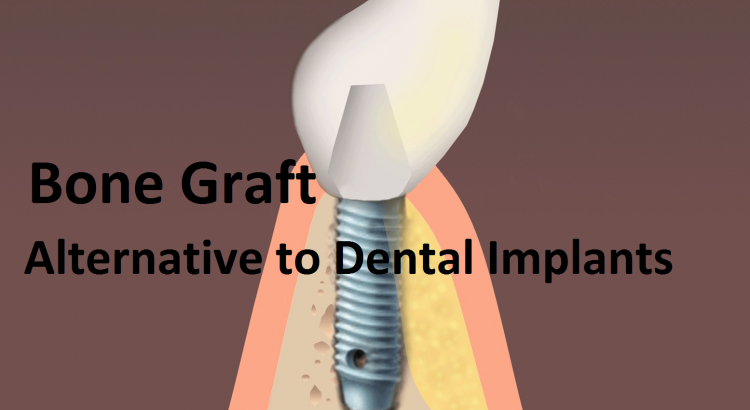
Bone Graft-Alternative Dental Implant

Bone Graft – Dental treatment That Works well

Bone graft is an alternative to dental implants. It is generally done when the jaw bone is too soft or thin and fails to have the ability to keep the implanted tooth in place or causes implant surgery to fail.
It is apparently a type of surgery which is also used for fixing the damages done by gum diseases, trauma or tooth loss. As we age dental implants are needed and bone graft surgery apparently is very useful as it provides structural stability by filling up the voids in areas where the bone is not present. Even for maintaining the bone structure post tooth extraction bone grafting is carried out.

Graft surgery is of two types –

1. Autograft – As the name suggests the use of bones that are present in the body like wrist bone, pelvis bone or ribs.

2. Allograft – This surgery uses the bone of a donor who is dead or a cadaver after it is cleaned and archived in the tissue bank.

Your dentist does the diagnosis and decides on the type of bone graft is required. It is an anaestheisa assisted surgery so should be almost pain free. The process includes skin incision above the area where the graft is required. Then the bone is shaped to fit the area and with the help of plates, screws, cables or wires and pins is held in place. Once secure, the incision is stitched up.

After the surgery care needs to be taken in order to ensure the success of the surgery. The healing time is generally of over 3 months. It is advisable to eat foods that are soft and to avoid extreme exercising. In order to avoid infection of any kind, the dentist will also orient you on flossing and brushing in a suitable way. For smokers though, it is advisable to stop smoking or else the graft might fail due to prolonged bone healing on account of smoking.

Here is a run down some of the benefits of Bone Graft
It can be used for various dental issues like tooth implant, poor jaw conditions or tooth loss.
It is useful if you have an implant in the future.
It helps protecting the mouth against shrinkage in width and height over a period of time
The aesthetics of the jaw line as in the strength and shape of the bony ridge post tooth loss.
It helps in avoiding the otherwise fragile jaw structure from shortening or narrowing down

Bone grafting can be expensive but in India its quite affordable as compared to foreign countries where people opt in for medical tourism to countries like India or Mexico for dental treatments.

Know about dental implantology

Know more about Good Dental Colleges in Bangalore

Dental Abscess

Dental Abscess – All You Need To know About

Many of us aren’t really aware of dental abscess. Tooth abscess is apparently a painful condition and occurs when the root of the tooth is infected or the infection lies amidst tooth and gum. This condition is known as gingivitis or gum disease and is known to occur due to tooth decay or high severity causing trauma and pain to the tooth.

The symptoms of tooth abscess include swollen neckglands, difficulty while chewing, swelling and redness of gums, sensitivity with hot or cold and fever as well. Tooth abscess can spread to the root and to the bones supporting the tooth as well and mind it abscess spreads quickly in a period of just two days or so, post the start of the infection. So, it is important to consult your doctors if you find one or more of the above symptoms with yourself.

Abscess are of two types –
Periapical abscess – This occurs when one nerve of the tooth is dead or about to die and is caused inside the tooth. It shows at the tip of the tooth’s root and spreads around the bone surrounding it eventually.

Periodontal abscess – This occurs when there is an infection between the teeth and gum usually due to accumulation of food particles and debris within the two. It becomes worse after the infections surrounds the bone below the gums.
Treatment

Dental Abscess needs to be treated from a dentist. The procedure is known as root canal therapy and most of us are familiar with this treatment because it is a common dental treatment. During the procedure, the tooth is extracted while drainage occurs through the socket or alternatively at times incision is made into the gum tissue to drain out the abscess

Tooth abscess is a common condition of teeth that can occur to anyone and everyone at some point of time or other. In order to delay the process or avoid it to an extent it is advisable to follow proper dental hygiene that includes brushing teeth atleast two times a day and that too properly besides flossing, tongue cleaning and using mouthwash for a fresh breath and cavity free mouth.

Rajarajeswari Dental College and Hospital is one of the  Best Dental Colleges in Bangalore

Emergency Orthodontic Care

Emergency Orthodontic Care – An Overview

There is a very rare possibility of any emergency occurring with respect to dental issues. Most of the dental issues do not get you into an emergency situation but yes sometimes, dental issues might lead to pain and irritation or discomfort.

Here is a run down some of these issues and how to deal with them.

Ligature issues – This issue arising when you use brackets. Fine wires or rubber bands are used to hold the brackets. At times the ligatures may become loose and stick to your lip. This could lead to irritation. Hence, when a ligature goes loose you may tighten it by bending it back with the help of a rubber attached on the back of pencils.

Mouth Sores – If you wear braces, getting mouth sores might just be a common possibility with you. This does lead to irritation, discomfort and mouth ulcers. At such times, mouth wash and warm salt water gargles do help out in suppressing the pain and discomfort.

Swallowing – If you by mistake swallow some piece related to your braces, when you are wearing braces then, its better to consult the doctor immediately. The symptoms include sneezing, coughing or wheezing.

Loose Brackets and more – If you wear braces, you usually are aware of these issues. These brackets tend to loosen up due to chewing or eating crunchy or hard foods. This can lead to problems like discomfort due to bracket sticking out. When such an issue occurs you can easily use a sterile tweezer to slide the bracket along the wire. Then you need to rotate it inorder to get it back to its usual position.

Wire Protruding – As mentioned before if a wire becomes loose, you can use a pencil with a rubber end to push the wire against the tooth so as to avoid the irritation it causes. In case it becomes unbearable contact your orthodontist immediately. If it is not causing any discomfort, better to leave it as it is until your next appointment with the doctor. Only in an exceptional case when you cannot reach an orthodontist and the discomfort is too bad, simply cut the protruding wire with sharp clippers. Do take care of not swallowing the piece of wire that gets snipped. To protect yourself from doing so you may fold the tissue paper around that area. Also apply some relief wax on the area.

Having said that, it is advisable to reach out to the orthodontist or the dentist when dental issues occur.