Thumsucking And Pacifier – How It Affects The Teeth Of Infants And Children

A natural reflex in infants and growing toddlers, thumb sucking or pacifying themselves with objects is very common. The reason cited around the same is that the little ones feel happy and secure as well. Apparently, it helps them know the world better and many times it helps to soothe themselves and fall asleep.

Thumb sucking can be considered a problem for the teeth of the child only if the intensity is too high. Even pacifiers have the same effect on children as thumb sucking, based on the frequency of using them. Also, if kids only use the pacifier or thumb to rest it in the mouth, it does not have any harm but if they suck the thumb or pacifier too vigorously, it does affect your teeth for sure.

Thumsucking And Pacifier

The thumb sucking or using pacifiers continuous for upto four years of age generally. Children who suck their thumb aggressively do tend to affect the primary teeth and hence it’s important to take steps when you find that your child is into thumb-sucking or pacifying continuously. It is also known that once the permanent teeth are in place, thumb sucking or pacifying can cause To help your child give up the habit you may do your bit by doing the following –

  1. Make them feel comfortable and secure

  2. Explain your child, if he/she can understand about the disadvantages of thumb sucking / pacifying

  3. Try to use different methods for getting rid of the habit

  4. Whenever you find your child not sucking, appreciate it

  5. Even trying to put a bandage around the thumb is a good idea

If problems persist even after trying, then it is advisable to consult a dentist or pediatrician. They will help you with medication that tastes bitter or with some thumb coater.

Dental colleges in bangalore

Thumb sucking or using pacifiers is a very common problem that infants and toddlers face in their early years. Nevertheless, it is not a problem that has no solution, so try working it out with kids at home through some tried and tested ways or else coordinate with your pediatrician or dentist and you’ll find a way out.

*Sourced from the Internet

Contact for Dental College Admissions 2019-20, BDS, MDS

5 Dental Problems for People Above 50 Years of Age

Teeth problems are caused throughout the lifetime but after 50 its starts going southwards. Tooth issues are generally very painful issues and precaution for prevention is always a good idea. Also, 50 plus is an age when everything other than health is secondary. So, let us run through some of the tooth problems that commonly occur in the 50’s and care to be taken in order to avoid the same.

Dry Mouth
Dry mouth is often a result of medications. As people grow older, the number of medications also increase hence resulting into dry mouth problems. Sometimes it could occur due to an accidental blow to the head or smoking addictions due to damage to salivary glands. The symptoms of dry mouth include dry throat, issues swallowing, dry and cracked lips. It may also cause bad breadth and trouble with swallowing food.

Care – Sipping water throughout the day for stimulating saliva production is a good remedy for dry mouth. Alternatively, you may also sugar free xylitol chewing gum or candy. Over the counter formulations are also available and could on the advice and prescription of your Dentist.

Tooth Decay
While many of us may presume that cavities are only a problem of the sunny days, apparently we’re not aware enough. Cavities can occur even after 50 years. The roots of your teeth turn softer as well as are even more exposed once you cross the golden jubilee mark. So, they are more prone to tooth decay not only on the surface of the teeth but also affect the root and over old fillings.

Care – Flouride is a simple solution to the problem called cavities. Be it children or adults, is works alike for both and is known to be one of the top 10 dental health measures. In India people do not drink fluorinated water, like Americans do. Hence, it is advisable that you do a fluoride rinse after brushing daily. Alternatively, you may also ask your dentist to prescribe you some flouride prescription gel.

Gingivitis/ Gum Disease
Gingivitis is a first stage of gum disease and needs and needs early intervention or it can progress further into bone loss and eventually loss of teeth. The symptoms of gum disease include red and swollen gums that bleed easily.

Care – Follow your routine teeth care and visit your dentists regularly for oral check-up and cleaning.

Tooth Crowding
As per the X-president of American association of Orthodontists, our teeth shift as we age. This makes it difficult to clean the teeth increasing the risk of tooth decay. Additionally, it also increases the risk of periodontal disease that could lead to a loss of teeth.

Care – Meet your dentist to find out if your teeth have actually shifted. The dentist may suggest refitting them with a spacer, retainer or braces as well. It is advisable to do a regular visit to your dentist to check on the shifting part and even regular cleaning.

Dental colleges in bangalore

Oral Cancer
Oral cancer is ranks in the top three cancers in India as per a research paper published in Journal of Cancer Epidemiology in 2012. As you age the risk of oral cancer only increases. The people who are addicted to smoking and drinking often are at a greater risk of the same. The discovery of Human Papilloma virus has also added to the cause of oral cancer.

Care – Mortality rate for those suffering from oral cancer is very low. If detected at an early stage then the survival rate is upto 5 years or so. Hence, it’s advisable to do a checkup for oral cancer regularly.

*Sourced from the Internet


The Raincoats for your Teeth – Dental Sealants

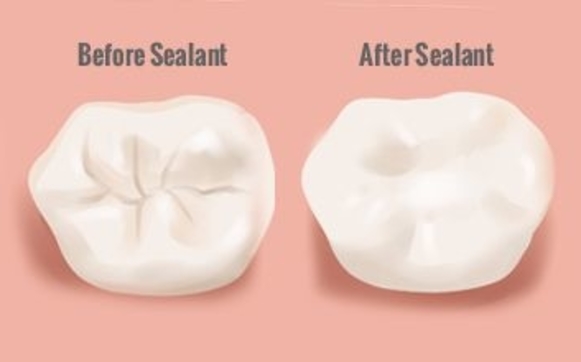
Cavities causing bacteria breed in areas around the molars as it’s their favorite place due to inaccessibility advantage. Usually, we brush once or twice a day and even floss.  But, reaching out to areas like molars behind is not easy and many times we tend to give it a miss. The area around the molar is rough and uneven as well. So, the question is how do you protect your molars from the wrath of the mouth bacteria’s?

The answer is by using sealants. You can keep your teeth clean and cavities at bay with the help of sealants, a thin and protective coating that is made from a dental material like plastic, etc. and is adhered to the chewing region at the back of your teeth. Brushing and flossing is obviously a routine that has to be followed but sealants can definitely help in keeping cavities at bay and stop the further decay of teeth if there already is an early stage of decay.

Dental Sealants

Sealants have the ability to reduce the risk factors of tooth decay by as much as 80% in molars. This becomes a significant advantage when dealing with the dental health of children. As per a report released by the Center for Disease control, school going students who do not use sealants are three times more prone to cavities than the school children who are.

Sealants are very much like raincoats. The way a raincoat protects the body from rain, sealants protect your molars from cavity-causing bacteria. Cavity-causing bacteria feed on left-over food particles and can cause holes in teeth called cavities. The role of the sealants is to keep these food particles at bay thus stopping the bacteria as well as the acid from settling down on your teeth.

Application of sealants is quite an easy procedure. You need to fix up an appointment with your dentist for that. The dentist examines your teeth, cleans and dries then before applying the acidic gel to them. The gel is used to roughen up the surface of the tooth so that the bond between the tooth and sealant is strong enough. A few seconds later the dentist rinses the gel off and dries your tooth again. The second step involves the application of sealant in the teeth grooves. The dentist then hardens the sealant with the help of a blue light. Many sealants are transparent in nature so the dentists can check from time to time on the tooth decay issues. Though sealants rarely cause any harm, they do have a negligible amount of BPA in them but not as much that can cause harm. They are long lasting but a periodical check is recommended so that if they come out reapplication can be done.

Just know about Bangalore dental college and hospital

*Sourced from the internet

Alchohol Consumption Increases Mouth Bacteria and Serious Health Risks as well

We all know that alcohol is dangerous to health, but do you know that it can affect your smile, as in your teeth as well in an adverse way? Furthermore, it can be influence development of life threatening cancers around your head, mouth and neck – a reason enough for you to quit drinking or atleast reduce it to bare minimum, Perhaps?

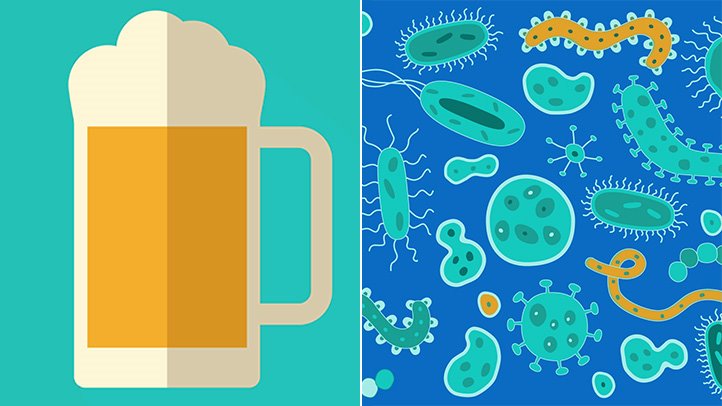
Well, a study has shown that alcohol addiction can cause a spurt in mouth bacteria and decrease the bacteria responsible for preventing illness. The study was published in April 2018 in the Microbiome journal. The scientists found that people who are hardcore drinkers with daily alcohol intake lead to an imbalance in the healthy combination of oral microbes, which in turn leads to infection of gums, cardiovascular diseases or even cancer. Around 1044 adults in the age group of 55 to 87, already a part of ongoing cancer study were compared to microbe composition of their oral bacteria with data of people with varying drinking habits like that of 270 non-drinkers, 614 moderate ones and 170 alcoholics.

Microbiome is the organism community inside our mouth and the study states that beneficial or good bacteria in healthy people vanished while the inflammatory or bad bacteria increased with increase in alcohol consumption. These where people who had one or two drinks every single day.

Our mouth consists of over 700 different bacteria and few species of fungi. These healthy microorganisms play a vital role in prevention of conditions like cancer, digestion of nutrients as well as maintaining immunity and wellness.

The study found and increase in the level of harmful bacteria like Neisseria, Actinomyces and Bacteroidales while a decrease in the healthy ones like lactobacillales, found in probiotic foods and known for prevention of illnesses.

The researchers also had done a research earlier that revealed the influence of oral bacteria in the development of different digestive tract cancers like esophagus, pancreas and more. As per the authors, alcoholism deeply contributes to cancer growth of neck and head, heart diseases as well as periodontal disorders.

Well, even though there is no substantial information on how to get a healthy mix of oral bacteria for promoting good health, the researchers do have a valid point about the changes in oral flora and its role in prevention of diseases.

know more about Rajarajeswari Dental College and Hospital

*Sourced from the Internet

How To Deal With Sensitive Teeth – Few Tips

At times we tend to ignore dental problems while dealing with our routine daily life issues. One such issue which we almost don’t bother about tooth sensitivity. Now, the question is how you know about tooth sensitivity issues. It’s simple, if you experience pain in the teeth when you have something very hot or may be very cold like ice-cream, if you experience a wince while flossing or brushing your teeth, it indicates that you are having the condition.

How To Deal With Sensitive Teeth

In healthy teeth, the part above the gum layer, known as the cementum helps protect the root of the teeth while enamel is the protective layer that takes care of the teeth crown. The base layer that is below the enamel and cementum is the dentin. When this dentin is exposed, its microscopic tubules allow the hot, cold or acidic foods to reach the nerves as well as cells in the tooth. Dentin exposure may also happen if the gums recede resulting into hypersensitivity or root sensitivity as it is often known.

TRIGGERS

  • Consuming foods that are very hot
  • Consuming foods that are very cold
  • Inhaling cold air
  • Brushing teeth
  • Consuming foods high on sugar

CAUSES

  • Brushing teeth rigorously
  • Erosion of teeth due to consumption of acidic foods and beverages
  • Gum recession that leads to exposure of your gums
  • Tooth erosion because of gastroesophageal reflux disease (GERD) or bulimia

DIAGNOSIS
If you tend to experience the aforementioned symptoms then it’s advisable that you schedule an appointment with your dentist.

TREATMENT
Root Canal – If the sensitivity is severe in nature and it’s not curable by any other means, a root canal is the treatment that is used in-order to get rid of this conditions.

Crown/bonding/ inlay – One of these treatment practices are used if there is any decay that causes insensitivity.

Toothpaste Change – Changing your tooth paste to the one that helps in sensation blocking during transmission from the surface of the tooth to the nerve in order to reduce sensitivity is advised by dentists.

Gum Grafting – Gum grafting is carried out surgically and helps protect the root as well as reduce sensitivity.

Fluoride gel – A fluoride gel is a technique used for strengthening the enamel of the tooth, thereby reducing the sensation transmission to the nerves.

The Department of Public Health Dentistry at RRDCH is the best for diagnosis and academic training in the speciality in Bangalore

*Sourced from the Internet

Dental Hygiene in Kids – What you need to Know

Parents around the world many a times are not very keen on dental hygiene of kids because most of them are clueless about right dental practices. Many do not pay attention at their kid’s teeth because they feel that milk teeth are replaced by permanent ones hence milk teeth are not of any significance. But, as per dental experts here is where their thinking is not right. Milk teeth are important because they act as the guiding blocks for positioning permanent teeth properly.

Dental Hygiene in Kids

Milk Teeth Care
Milk teeth are responsible for proper jaw and maxillofacial structure development as well as to avoid teeth overcrowding. Damage to the milk teeth will highly likely result in tooth decay of permanent teeth during the process of mixed dentition viz. the time span between the loss of the last milk tooth and appearance of the first permanent molar. Milk teeth damage and early loss can affect the confidence of the child as well and impact his later years because that loss will stay forever.

Dental Care Routine
Brushing your kid’s teeth since they start getting milk teeth is a good idea to maintain them. But, more importantly it’s important to get them into the habit of brushing their teeth twice a day. You may start by making it a fun activity. Also kids tend to imitate their parents so if you start brushing in front of them then it will be easier for you to get them in a routine. Also, check out some teeth brushing videos to teach your kids the right way to brush teeth. Always brush in a circular motion and also do flossing atleast once before going to bed and brushing twice.

Toothpaste and Brush Usage
Always use a brush that has soft bristles and not hard ones and use the correct technique of brushing teeth. Do change the brush every three months and use a toothpaste that deals with your tooth issues better. Though they do not matter as much as the technique of brushing does.

Diet and Check
Generally, you may give your kids a balanced diet but try avoiding sugary stuff and junk food. If you have a sweet tooth try eating desserts and sweets before the main course meals. This will minimize the risk of the sweet stuff getting stuck in your teeth, leading to cavities.

Well, dental care needs to be a part of your lifestyle and checking your kid’s teeth every six months with a pediatrician is a good idea. This can help you check for early signs of decay and take precautionary measures to avoid further damage.

Know more about leading private dental college and hospital

*Sourced from the Internet

How to Heal Cavities Naturally

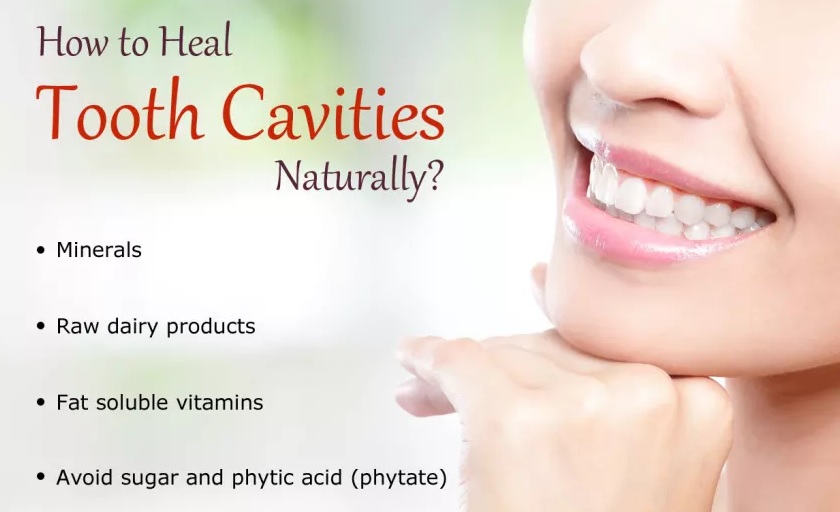
We all know that Cavities is a very common dental health disorder but what we don’t know is that we can prevent it using naturally by making certain changes in your diet. There are many causes of cavities but one of the main reasons is besides decay is dental anxiety. Furthermore, it’s good to be aware of the fact that cavities are avoidable and even reversible to some extent particularly the smaller ones that too at the convenience of your home, with certain dietary changes. But, before we talk about the food let’s find out what causes cavities and the factors working around cavity formation.

How to Heal Cavities Naturally

CAUSES

Plaque Acid Presence – Plaque acids are one of the main causes that lead to tooth decay and are produced by the bacteria that reside in our mouths. These acids attack teeth and dissolve the vital minerals on the surface of the teeth.

Deficiency of Soluble Vitamins – Deficiency of soluble Vitamins especially Vitamin D and others like A, E and K in the diet.

Deficiency of Minerals – Deficiency of vital nutrients like calcium, magnesium and phosphorus in the diet.

Excess Processed Sugar – Excess sugar in diet feeds oral bacteria thereby restricting the flow of dental fluids causing decay through demineralization and decalcification.

Excess Phytic acid – Also known as Phytate, Phytic causes mineral deficiencies by blocking them and osteoporosis.
A study was carried out to figure out the dietary effects on cavities. The study involved 62 kids having cavities. These kids were further divided in 3 groups as follows –

  • Group 1 followed a standard diet plus took oatmeal.
  • Group 2 followed a routine diet plus took Vitamin D supplements.
  • Group 3 followed a grain less diet plus took Vitamin D supplements.The results showed that nearly

all cavities of Group 3 healed, which followed a diet that was free from grains and rich in milk and meat, fruits and vegetables.

NATURAL TREATMENT/ REVERSAL
To avoid cavities, you need to make certain changes in diet in addition to regular brushing as well as flossing.

Avoid Sugar – Sugar is one of the main causes of tooth problems. So keeping your sweet tooth at bay is always a good idea because sugar it is highly acidic in nature and cause decay through decalcification and demineralization.

Avoid Food Rich in Phytic Acid – Ancient food preparing methods, like fermentation of dough, sprouting and more kept phytic acids at bay. Phytic acid is present in foods like grains, beans, seeds and nuts. Using traditional food preparing methods like above can help reduce pytic acids by a staggering 50% to 100%.

Additionally follow a diet that is rich in vitamins and minerals and keep cavities as bay as well as reversal of existing ones.


RRDCH is one of the best private dental college in Bangalore Karnataka


*Sourced from the Internet

World Aids Day

World AIDS Day – Scientific Program

World AIDS day” scientific programme has been arranged by Public Health department.
Presenters:
1.Dr. Swatanatrakumar Banakar
Deputy Director and State Nodal Officer
Karnataka State AIDS prevention society
Topic: National free diagnostic services in state of Karnataka

2.Dr. Balaji P.
Professor and Head
Department of Oral Medicine and Radiology
Topic: Oral Lesions – A clinical indicator in HIV infection

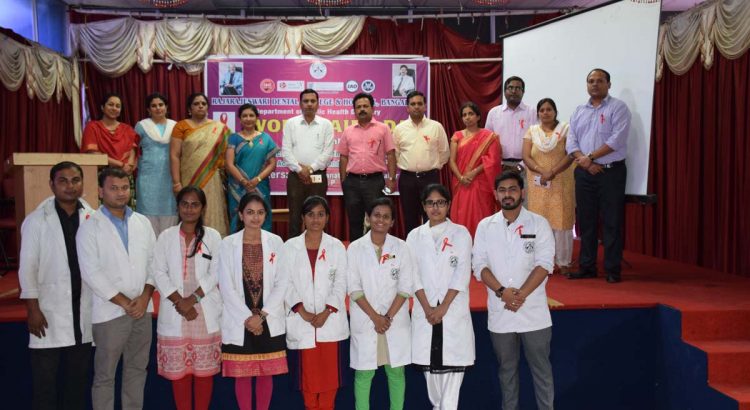
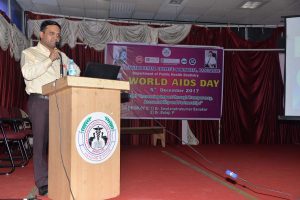
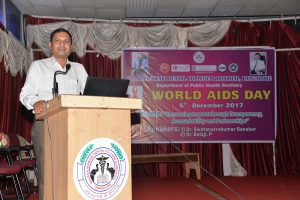
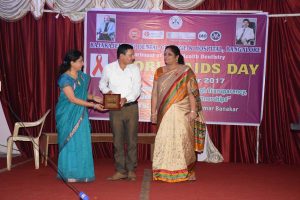
Rajarajeswari Dental College and Hospital in co-ordination with the Extension Activities Committee and The Department Of Public Health Dentistry observed WORLD AIDS DAY on 5th December 2017. Activities were held all day to mark WORLD AIDS DAY.

The forenoon session of the program included distribution of RED RIBBONS to Dea,Prinicipal and all the Faculty, Post graduate students,Interns and students of various Departments of RRDC & H.

The afternoon session included guest lectures to mark WORLD AIDS DAY.
A brief note on the speakers and their respective talks is as follows:
1.Dr.Swatanatrakumar BanakarDeputy Director –Karnataka State AIDS prevention society delivered a talk on “Free HIV testing centers and initiatives in Karnataka .”

2.Dr.Balaji.P –.Prof and Head,Dept. of Oral Medicine and Radiology-RRDCH delivered a talk on “ Oral Lesions- An Indicator for HIV infection”

Head of Dept. and Extension activities Committee Dr.Padma K Bhat welcomed the gathering. The Faculty of Department of Public Health Dentistry coordinated for technical arrangements. The program was well attended by Dean, Principal, Heads of Various Departments, Faculty members, Interns, Post graduate and Under graduate Students.

wisdom tooth pain relief

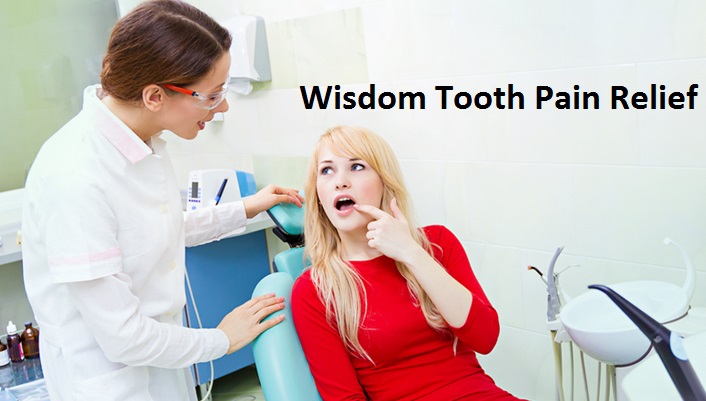
All You Need To Do For Wisdom Tooth Pain Relief

Bringing in the wisdom teeth is all about bearing immense tooth ache until its full grown. We all have experienced this uncomfortable and excruciating pain one in our life time. Dealing with this pain on an off can ruin your daily routines to quite an extent by causing discomforting pain. Well, here are a few tips to help you out of this situation.

Ibuprofen – This is kind of a universal mantra of sorts that sure provides relief in the testing times of wisdom tooth growth. Keeping an ibuprofen handy is a good idea. But, do take care of taking a dose that is within the limits.

Ice Pack – Yes, these also do help provide relief against tooth pain naturally without the need of pain killers. They also help in reducing inflammation of jaw line. Try applying it ever 15-20 minutes for good results

Numbing Gel – This is readily available in the chemist shop. Ask for a tooth ache relieving gel and you’ll find a lot of options. The main ingredient in the gel is benzocaine so those who are allergic to this ingredient, do not use it please. For others it is a good alternative for reducing gum pain. You need to apply it on and off throughout the day for good results.

Cloves – Another useful home remedy is chewing a cloves or using clove oil for pain relief. If you prefer chewing the clove then it has to be placed over the wisdom tooth, and is to be hold as a sandwich between the jaws without chewing it. Once you feel relief from pain you may spit it out and use another one. While using clove oil, just soak a cotton ball in the oil and place it on the tooth until you feel better.
Salt water Gargles – Pain at times is caused due to the bacteria in the mouth and using salt water, you can get rid of these pain causing bacteria as salt water is known to be a the natural disinfectant.

Onion – Very few of us might be aware that even onion comes with healing, rather antimicrobial properties. If you chew a piece of onion by keeping on the wisdom tooth or nearby, you will certainly feel that the pain is reducing after some point of time. You may then spit it off. The juice from the onion helps reduce the inflammation.

Tea Bags – Tea does have anti-inflammatory and anti-bacterial properties and hence sipping on tea made from tea bags works well. The tea bags can also be kept in the mouth where the pain exists once it is cold.

Other than the aforementioned remedies you may also keep drinking water to get rid of the bacteria in the mouth, brush your teeth, floss and use a mouthwash on a regular basis as well as avoid sugar food. This can help you sail through your wisdom tooth growth process.

Dept of Public Health Dentistry at RRDCH

Periodontitis casues symptoms and treatment

All You Need To Know About Periodontitis

Periodontitis is a tooth condition wherein inflammation occurs around the tooth due to serious damage caused to the soft tissue as well as the bone that support the tooth. The mainly affect the periodontium, which surround the tooth for support purpose. All the periodontal diseases are a result of periodontium and even periodontitis is one of them.

In Periodontitis, the bacteria stick around the surface of the tooth while multiplying. The immune systems is over actively involved in fighting these bacteria which further results into inflammation. As periodontitis spreads its starts damaging the alveolar bone around the teeth and ultimately leads to the loss of it. If care is not taken then periodontitis may lead to heart attack stroke and other health problems as well. Having said that, another fact is that is is completely preventable because it is caused due to poor dental hygiene.

Causes – Now, for the causes of periodontitis – it generally occurs when a sticky, transparent membrane known as the bacterial plaque develops round the tooth surface. If we do not remove plaque regularly it turns into hard tartar which is again very difficult to remove yourself. You need to seek appointment of a doctor to do that because if not removed it starts damaging your teeth. The damage could further lead to gingivitis which if not cured will result into bacteria growth. They will start multiplying and destroying the bone as well as the connective tissue that holds the teeth. Eventually the teeth start losening up and fall off.

SymptomsPeriodontitis symptoms include inflammation of gums primarily. The gums swell and sometimes turn bright red and purple. They hurt and recede as well which results in teeth looking more long. It could also cause bad breath, bleeding while brushing teeth and flossing. Even while eating, the person does not feel the same because the teeth do not fit the same.

Diagnosis and Treatment – A orthodontist or a dentist examines your mouth and can easily diagnose the same. The treatment includes prescribing antibiotics in form of gel, microspheres, antiseptic chips as well as anti-microbial mouthwash. But, if the periodontitis is at the advanced stage it might require a bone and tissue graft or a flap surgery which removes the calculus in the pockets, removal of tarter and lifting gums back. While bone and tissue graft is done for regeneration of the destroyed gum tissues. This can be done using special proteins for regrowing the bones naturally.

Know more about dept of Periodontology – Periodontics in Bangalore