Thumsucking And Pacifier – How It Affects The Teeth Of Infants And Children

A natural reflex in infants and growing toddlers, thumb sucking or pacifying themselves with objects is very common. The reason cited around the same is that the little ones feel happy and secure as well. Apparently, it helps them know the world better and many times it helps to soothe themselves and fall asleep.

Thumb sucking can be considered a problem for the teeth of the child only if the intensity is too high. Even pacifiers have the same effect on children as thumb sucking, based on the frequency of using them. Also, if kids only use the pacifier or thumb to rest it in the mouth, it does not have any harm but if they suck the thumb or pacifier too vigorously, it does affect your teeth for sure.

Thumsucking And Pacifier

The thumb sucking or using pacifiers continuous for upto four years of age generally. Children who suck their thumb aggressively do tend to affect the primary teeth and hence it’s important to take steps when you find that your child is into thumb-sucking or pacifying continuously. It is also known that once the permanent teeth are in place, thumb sucking or pacifying can cause To help your child give up the habit you may do your bit by doing the following –

  1. Make them feel comfortable and secure

  2. Explain your child, if he/she can understand about the disadvantages of thumb sucking / pacifying

  3. Try to use different methods for getting rid of the habit

  4. Whenever you find your child not sucking, appreciate it

  5. Even trying to put a bandage around the thumb is a good idea

If problems persist even after trying, then it is advisable to consult a dentist or pediatrician. They will help you with medication that tastes bitter or with some thumb coater.

Dental colleges in bangalore

Thumb sucking or using pacifiers is a very common problem that infants and toddlers face in their early years. Nevertheless, it is not a problem that has no solution, so try working it out with kids at home through some tried and tested ways or else coordinate with your pediatrician or dentist and you’ll find a way out.

*Sourced from the Internet

Contact for Dental College Admissions 2019-20, BDS, MDS
Charcoal in Toothpaste – Is The Past Coming to the Future?

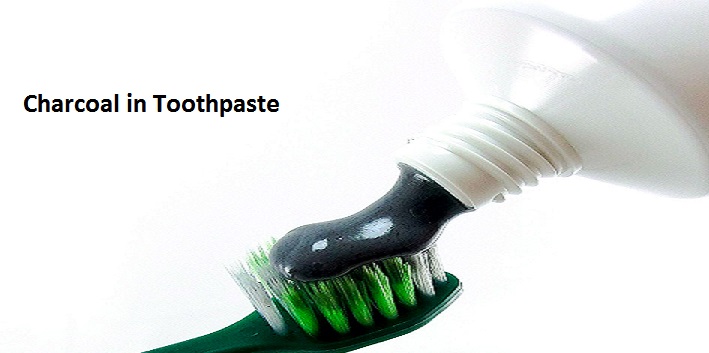
In ancient India, charcoal has been used for cleaning teeth and this is not myth. But, recently there has been a lot of speculation around the use of charcoal in toothpastes. You are watching ads of toothpastes that mention the use of charcoal in them. Even bloggers and influencers on the internet are all gaga about charcoal being a natural alternative to peroxide when it comes to teeth whitening. Let’s know more about this charcoal ingredient and its role in whitening our teeth.
Apparently, this ingredients called charcoal is either the residue of coconut shells, coal, olive pits, saw dust, petroleum cake, peat or bone char. This charcoal does have the abilities to absorb impurities as well as dust. It finds its use in a lot of water filtration systems only because of this ability besides treatment of food poisoning and drug overdoses.

Charcoal in Toothpaste

So, is using charcoal in toothpastes apparently a good idea? Dentists do differ in their opinion a bit here. Dentists say that using charcoal is okay if it is used in form of a fine powder and once a month because it is abrasive in nature. Also, as per them, it’s better to consult a dentist before starting the use of it. a cosmetic dentist has even gone to say that charcoal can cause more harm to your teeth than good. So, he advises people to not just blindly follow the fads and trends but use stuff that is proven.

Extensive use of charcoal can erode your enamel, and it won’t be coming back once it gets removed. For many who arent aware, the fact of the matter is that even today the american dental association does not approve of charcoal. Last year itself the journal of american dental association did conclude that

“insufficient clinical and laboratory data to substantiate the safety and efficacy claims of charcoal and charcoal-based dentifrices.”

So, just don’t jump into the charcoal for teeth bandwagon. look before you leap.

RRDCH is one of the best dental colleges in Bangalore

*Sourced from the Internet

Dentists Dying of Lung Disease. But Why?

While there have been numerous cases of people dying from lung disease or Idiopathic Pulmonary Fibrosis (IPF), but a 15 year old clinic in Virginia has come up with a new revelation. As per its report of Virginia clinic over a period of 15 years said that eight of them were dentists and one of them was a dental technician of the 9 cases reported. The median survival rate was 3 to 5 years after the diagnosis of the conditions and the 7 patients of the 9 diagnosed were dead already. Even the CDC(Centers for Disease Control and Prevention) has mentioned that the chances of dentists getting the condition was 23 times higher than others. But, the investigation did not provide any results on the reason behind same.

IPF leads to lung scarring and is a result of some kind of environmental poisoning. The process however can be slowed down but the existing scar tissue cannot be removed. Over a period of time the lungs are not able to get oxygen to heart and brain organs. The reason behind Dentists being affected the most is that dentists come in contact with toxic substances like silica, alginate, polyvinyl siloxane etc., in their offices and this working exposure to materials and their bi-products cause damage to the body on inhaling.

An example includes that a dentist had the lung condition but reported that he never smoked. He also added that he also did not wear the Health certified respiratory mask during his practice duration of 40 years as well. This respiratory condition does not have a cure but what you can do is take measures to prevent it. Even people who work under conditions that are exposed to dust particles are at the risk of getting this condition.

“More work has to be done before we can make any conclusions about the risk dentists or other personal have. coming to conclusions of any kind”, said Randall Nett, the lead author of this study and medical officer at the US Public health Service.
While the report is a good one, today dentists are far more careful and the risk of developing lung disease is likely lower. The these days even the polishing work done by the dentist is very less compared to earlier as they are dependant on external laboratories as well for the same. Many are understanding the importance of this and even installing devices that can trace the harmful vapors at places with long term exposure.

Just know about Leading Dental Colleges in Bangalore

*Sourced from the Internet

5 Dental Problems for People Above 50 Years of Age

Teeth problems are caused throughout the lifetime but after 50 its starts going southwards. Tooth issues are generally very painful issues and precaution for prevention is always a good idea. Also, 50 plus is an age when everything other than health is secondary. So, let us run through some of the tooth problems that commonly occur in the 50’s and care to be taken in order to avoid the same.

Dry Mouth
Dry mouth is often a result of medications. As people grow older, the number of medications also increase hence resulting into dry mouth problems. Sometimes it could occur due to an accidental blow to the head or smoking addictions due to damage to salivary glands. The symptoms of dry mouth include dry throat, issues swallowing, dry and cracked lips. It may also cause bad breadth and trouble with swallowing food.

Care – Sipping water throughout the day for stimulating saliva production is a good remedy for dry mouth. Alternatively, you may also sugar free xylitol chewing gum or candy. Over the counter formulations are also available and could on the advice and prescription of your Dentist.

Tooth Decay
While many of us may presume that cavities are only a problem of the sunny days, apparently we’re not aware enough. Cavities can occur even after 50 years. The roots of your teeth turn softer as well as are even more exposed once you cross the golden jubilee mark. So, they are more prone to tooth decay not only on the surface of the teeth but also affect the root and over old fillings.

Care – Flouride is a simple solution to the problem called cavities. Be it children or adults, is works alike for both and is known to be one of the top 10 dental health measures. In India people do not drink fluorinated water, like Americans do. Hence, it is advisable that you do a fluoride rinse after brushing daily. Alternatively, you may also ask your dentist to prescribe you some flouride prescription gel.

Gingivitis/ Gum Disease
Gingivitis is a first stage of gum disease and needs and needs early intervention or it can progress further into bone loss and eventually loss of teeth. The symptoms of gum disease include red and swollen gums that bleed easily.

Care – Follow your routine teeth care and visit your dentists regularly for oral check-up and cleaning.

Tooth Crowding
As per the X-president of American association of Orthodontists, our teeth shift as we age. This makes it difficult to clean the teeth increasing the risk of tooth decay. Additionally, it also increases the risk of periodontal disease that could lead to a loss of teeth.

Care – Meet your dentist to find out if your teeth have actually shifted. The dentist may suggest refitting them with a spacer, retainer or braces as well. It is advisable to do a regular visit to your dentist to check on the shifting part and even regular cleaning.

Dental colleges in bangalore

Oral Cancer
Oral cancer is ranks in the top three cancers in India as per a research paper published in Journal of Cancer Epidemiology in 2012. As you age the risk of oral cancer only increases. The people who are addicted to smoking and drinking often are at a greater risk of the same. The discovery of Human Papilloma virus has also added to the cause of oral cancer.

Care – Mortality rate for those suffering from oral cancer is very low. If detected at an early stage then the survival rate is upto 5 years or so. Hence, it’s advisable to do a checkup for oral cancer regularly.

*Sourced from the Internet


Why is an Electric Toothbrush Better Than a Regular One?

Though brushing is a part of our daily routine or lifestyle and most of us brush our teeth at least once in the morning if not twice. Mundane Task, yes it is but it is vital for not only our teeth but our overall health as well. We brush every morning but there are a few questions which might make you wonder if brushing is really helping you the way it should. The fact of the matter is that how many of us know how long we need to brush and what is the exact drill. Not many, right? We do brush daily but never pay attention at the process and this could be a problem for our teeth in a long run. Another vital point is that of changing your toothbrush on a regular basis. While many of you should be aware of the fact, those who aren’t may note that down.

Many of you might be aware of the electric brush. Dentists do recommend that brush for people who are not able to brush their teeth properly and visit with issues of painful tooth or teeth. Let us understand the benefits of an electric toothbrush over a manual one.

Features

  • Compared to manual toothbrushes, electric brushes do the cleaning for you as it comes with the ability to do brush rotations ranging from 3000 to 40000 strokes per minute.
  • Electric brushes are available for sensitive teeth, for gum massaging as well as for the whitening purpose
  • These brushes come with timers for keeping track of the length of brushing for each quadrant
  • They also come with digital reminders for replacing the toothbrush
  • They are compatible with multiple heads, so you can choose the bristles as per your design

Benefits
The best benefit of the using an electric brush is that the rotating head of the brush not only ensures a proper combination of motion but also equal pressure. Many of the people might brush daily but the pressure part is not the same on both sides. A right-handed person might be able to brush properly on the left properly but not the right. Additionally, your hands and wrists can rest hence it’s a boon for people with arthritis making the process of brushing less painful. A survey carried out on electric toothbrush revealed a 21% reduction in plaque and 11% reduction in gingivitis post three months of use. Electric toothbrushes are power brushes which can be recharged on a need to need basis. People who start using them find them far better than manual ones. There is a wide variety available and hence getting one that fits your needs isn’t a big deal.

RRDCH – Leading Dental College and Hospital in Bangalore

*Sourced from the Internet

All you need to Know about Dentures in India

Dentures are used for restoring your smile and helping you eat and speak properly when your natural teeth fade away due to injury, decay, aging, to name a few. Dentures also help you maintain your looks because losing teeth can cause snagging of muscles of your face, as they are quite a close match to your natural teeth. There are different types of dentures available –

Dentures in India

  • Immediate Denture – This denture can be instantly fitted into the mouth after your teeth are removed and you need to go without a denture for even a day. Only a bit of relining is needed once the jaws are healed.
  • Conventional Denture – This is the traditional denture that is placed inside your mouth once the teeth are removed and the tissues have healed. This process could take over a month or several months at times.
  • Over Denture – At times some teeth are strong and do not require to be removed. They apparently help to maintain the jaw bone. Hence, an over-denture is used at it fits over the few natural teeth. Implants are another alternative for the same.

It’s good to have a few visits to the dentist even after the dentures are fixed. So, that if there is any sort of an issue with proper placement or fixation, the dentist can examine and fix it. A denture at first might feel a bit uncomfortable and uneasy. It might take a while for you to get used to it. You might also struggle when it comes to keeping them in place. Another change is that the saliva secretion might increase for some-time. Dentures can cause some soreness or irritation. But if this soreness as well as irritation prevails, it’s advisable that you go and meet up your dentist.

Maintenance of Dentures
A good dental hygiene is always a smart idea, irrespective of whether you are wearing dentures or not. Here are a few tips on denture care –

  • Use a toothbrush with a soft bristle while gently brushing it. The cleaner also needs to be of non -abrasive nature. Also, brush your cheeks, tongue, interiors of your mouth properly so as to remove the food particles and plaque deposits from dentures and other areas inside the mouth.
  • When you are not using the denture it needs to be kept covered inside water to avoid warping.
  • Many wearers feel comfortable using denture adhesive forms like strips, liquids, powder, etc. A good idea is to read the instructions carefully before using them.
  • Rinse your dentures regularly for removal of debris or food particles.
  • Use products like adhesives and cleansers only after consulting your dentist and always choose products that come with ADA acceptance Seal.

Well, using dentures can be a task initially but once you get used to wearing them they can be very useful to you as mentioned earlier. The maintenance of dentures properly will help you keep your dental issues at bay and even increase the life of the denture.

Know more about Top Private Dental Colleges in Bangalore

*Sourced from the Internet

Top MDS Courses of 2018

Dentistry is gaining momentum in India with India turning out to be a hot spot for medical tourism. People around the world come to India to get their dental issues sorted out mainly because of the cost friendliness and the expertise it offers at such prices. Hence, there is an influx of students in dental courses these days. But, doing just a bachelors is not enough in the present times. A doctorate or a masters is always a good idea if you want to broaden your career-scope. A masters or a doctorate offers a specialization in various areas and can be opted for depending upon your interest area. You may also opt for taking up the course in some university abroad.

Here’s a run through some of the top specializations to consider with MDS post-graduation –
Periodontics – This branch of dentistry deals with supporting as well as investing structures conditions like periodontal membranes, cementum gums and alveolar bones to name a few. There is a lot of scope for this specialization in areas like defense, teaching hospitals, multi-specialty clinics, but to name a few.

Oral Surgery – This branch in dentistry tops the list of MDS specializations and is sought after by a majority of dental graduates. It deals into the diagnosis, surgery as well as the treatment procedures besides defects and injuries of the gums, mouth, teeth as well as the mouth areas. After completing your masters in oral surgery you can do a private practice or work as an oral pathologist, dental surgeon, consultant or more.

Orthodontics – This is also a sought after branch of dentistry and is one amongst the top five specializations. The course deals in study as well as treatment of imposition of teeth or malocclusions. After you complete this specialization you may work as a public health specialist, dental assistant or hygienist.

Oral Medicine and Radiology – A lot of students prefer to opt for this branch which deals with insights into the diseases root and the interrelation between clinical as well as radiographic findings. There are abundant job opportunities with colleges, government as well as private institutions in India and high paying ones abroad as well.

Conservative Dentistry and Endodontics – This is another popular dentistry branch and deals with the study of teeth restoration and conservation of the teeth surrounding the diseased one. As a specialist in this stream you can work as a medical coordinator, dental surgeon or senior lecturer as well.

A post graduate degree gives you an upper hand as compared to just a bachelor’s degree and expands the scope of your career in India as well as abroad. So, a masters is definitely a better idea in these present times to rise above the clutter of dental graduates and carve out a niche for yourself.

RRDCH is a premier dental college and hospital in Bangalore offering BDS, MDS, Phd and certificate courses. One of the best Dental Colleges in Mysore Road

*Sourced from the Internet

Want to Sleep like a Baby? – Meet Your Dentist!

There are certain sleep issues which you would never relate with your dentist but if you actually feely sleepy while doing important stuff like driving, have trouble concentrating or wake up every morning with a headache then it’s advisable that you visit your dentist. Yes, primarily dentists deal with your teeth care but your over-all wellness does matter the most and the symptoms that have been mentioned above are said to be the root cause to many other conditions and dental as well.

Want to Sleep like a Baby

If you are experiencing one or more of the above symptoms then take an appointment of your dentist because he is the one who will examine your mouth and help you out. Actually, when the dentist examines the mouth, teeth and jaw line, he/ she is able to figure out whether you are getting enough sleep or not. For example, if your enamel is worn out then it indicates that you are stressed out and suffering from anxiety bouts which makes individual grind teeth at night. Examining the shape of the jaw the dentist can figure out if you are at the risk of sleep apnea or not. Besides, the shape and positioning can also help the dentists figure out if the sleep deprivation is related to sleep apnea or is it snoring. Particularly when it is about snoring or OSA, a form of sleep-disordered breathing, the dentists are aware.

If your dentist suspects of you having a sleep disorder they will recommend you to a sleep physician but it’s not just examination that helps your dentist, its conversations around your sleeping habits and issues as well. Hence, try to talk to your dentist and tell him or her in case you are experiencing insomnia, sore throat or dry mouth and general wellbeing overall.

Apparently, Dentists are trained to deal with sleep apnea and can help you a lot in getting or regaining your quality sleep. Many dentists use the mandibular advancement device which looks like a sports mouth guard but when you sleep it opens your airway and, they even suggest you lifestyle changes like keeping away from computer screens before sleeping or consuming a low-fat diet. The other machines usually used to treat sleep apnea include continuous positive airway pressure (CPAP) machines especially for people who are not suffering from obesity. They even offer alternative treatment options if required. The use of oral appliances that require a power source and are portable devices are used by patients suffering from sleep apnea.

Well, if you want to sleep like a baby and the aforementioned reasons are disrupting your sleep then it is advisable to check up with your dentist and do the needful.

check here for your dental issues

*Sourced from the Internet

Do You Brush Your Teeth Properly

All of us brush our teeth daily, once or twice in a day but do we really do it the way it should. Furthermore, many of us are not even aware about the type of brush we need to be using. So, let us dig into some interesting or rather enlightening information of sorts around brushing your teeth properly.
Brushing needs to be done using a proper technique. If you happen to brush your teeth really hard or over brush, it might damage your teeth as per dental experts. Brushing hard causes the enamel wear and tear, gums to recede besides cavities on the roots.

Here are a few tips on brushing your teeth properly without causing damage –

Do You Brush Your Teeth Properly

Brush Gently – Your gums are soft and sensitive so whenever you brush, brush your teeth like you iron your pure silk sarees, softly and not like you scrub your bathroom floor. Move your brush in clockwise circular movements gently across your teeth. Do not try the saw like motion.

The Right Brush – Many of us think that buying a brush with hard bristles will help us in keeping our teeth clean. But, it is a myth and a we need to be aware of the fact that a brush with soft bristles can work with better efficiency and without damaging your enamel. Particularly if you have sensitive teeth, a soft brush is a must have for you.

Floss and Clean – Many of us simply brush our teeth sometimes once a day and sometimes twice a day but many of us do not floss or clean our tongue on an everyday basis. This will help you keep mouth odour besides avoiding plaque deposits on your teeth.

Dental Visits routine – Do cleaning of your teeth every six months from your dentists. This will help you keep dental issues at bay.

Well, brushing your teeth the way it should be done can help you reduce a lot of your dental issues and keep your teeth in shape for a longer period. Do it for a beautiful smile that lasts years longer and allows you to hog on that gourmet favorites of yours longer as well. Happy Eating.

The department of Public Health Dentistry is oriented towards meeting the oral health needs of communities that lack dental health facilities. The objective is to bring people at large within the fold of dental health through outreach programs.

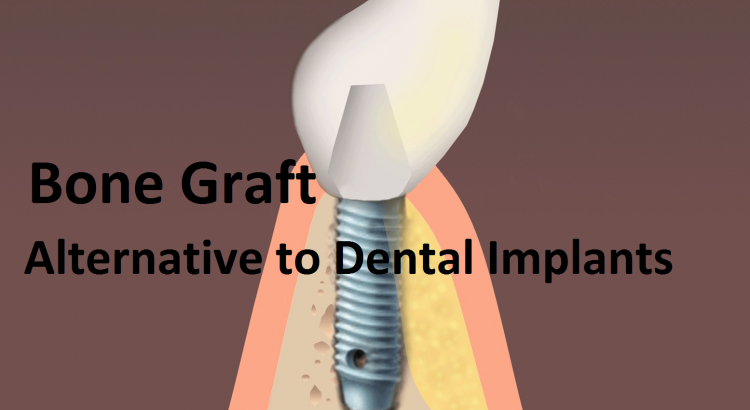
Bone Graft-Alternative Dental Implant

Bone Graft – Dental treatment That Works well

Bone graft is an alternative to dental implants. It is generally done when the jaw bone is too soft or thin and fails to have the ability to keep the implanted tooth in place or causes implant surgery to fail.
It is apparently a type of surgery which is also used for fixing the damages done by gum diseases, trauma or tooth loss. As we age dental implants are needed and bone graft surgery apparently is very useful as it provides structural stability by filling up the voids in areas where the bone is not present. Even for maintaining the bone structure post tooth extraction bone grafting is carried out.

Graft surgery is of two types –

1. Autograft – As the name suggests the use of bones that are present in the body like wrist bone, pelvis bone or ribs.

2. Allograft – This surgery uses the bone of a donor who is dead or a cadaver after it is cleaned and archived in the tissue bank.

Your dentist does the diagnosis and decides on the type of bone graft is required. It is an anaestheisa assisted surgery so should be almost pain free. The process includes skin incision above the area where the graft is required. Then the bone is shaped to fit the area and with the help of plates, screws, cables or wires and pins is held in place. Once secure, the incision is stitched up.

After the surgery care needs to be taken in order to ensure the success of the surgery. The healing time is generally of over 3 months. It is advisable to eat foods that are soft and to avoid extreme exercising. In order to avoid infection of any kind, the dentist will also orient you on flossing and brushing in a suitable way. For smokers though, it is advisable to stop smoking or else the graft might fail due to prolonged bone healing on account of smoking.

Here is a run down some of the benefits of Bone Graft
It can be used for various dental issues like tooth implant, poor jaw conditions or tooth loss.
It is useful if you have an implant in the future.
It helps protecting the mouth against shrinkage in width and height over a period of time
The aesthetics of the jaw line as in the strength and shape of the bony ridge post tooth loss.
It helps in avoiding the otherwise fragile jaw structure from shortening or narrowing down

Bone grafting can be expensive but in India its quite affordable as compared to foreign countries where people opt in for medical tourism to countries like India or Mexico for dental treatments.

Know about dental implantology

Know more about Good Dental Colleges in Bangalore